


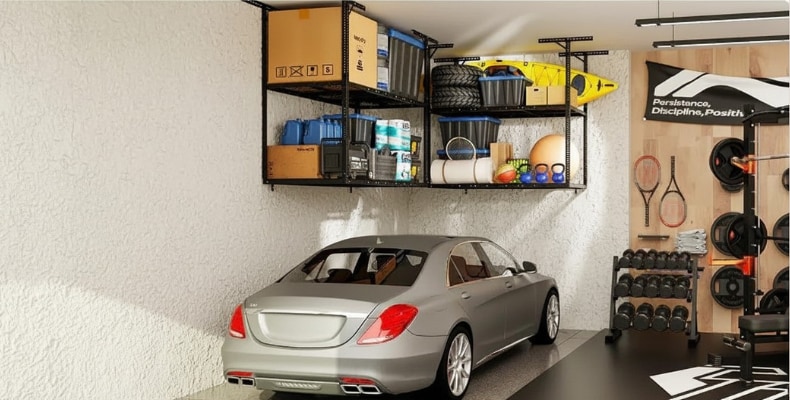
The garage is a quiet contradiction. It is built to protect your car, yet it slowly fills with everything else that needs a place to land. Boxes stack, tools wander, and before long, the car sits outside while the garage holds the overflow of daily life. This tension is familiar, and it often feels like a choice must be made. Either the car gets the space it deserves, or your belongings do. But that is a false choice. A well-planned garage can do both, and do it well.
This is where the idea of the 50/50 garage begins. It is not about splitting the room in half with a line on the floor. It is about using space with intention. It is about seeing the garage not as a storage bin or a parking slot, but as a working part of the home. With a few smart changes, the garage becomes a place where the car fits with ease and everything else has a clear home. The goal is balance, not sacrifice. And once you see that balance, the space begins to feel lighter, calmer, and more useful every single day.
Why the Car Still Matters
There is a certain comfort in walking into your garage and seeing your car waiting for you, clean and ready. It is protected from heat, rain, and dust, which over time can wear down both its look and its value. Sunlight fades paint. Moisture invites rust. Even small daily exposure adds up. Parking inside reduces that slow damage and keeps the car in better shape for longer.
Security also plays a quiet role. A car inside a garage is less visible and less vulnerable. It is not just about theft. It is about peace of mind. You know where your vehicle is, and you know it is safe. There is also the simple ease of daily life. No stepping into a hot seat after hours in the sun. No wiping down windows before a morning drive. These small comforts matter more than we often admit.
Keeping space for your car is not just practical. It is a form of care. It respects the value of what you own and the role it plays in your life. In a balanced garage, the car is not pushed aside. It is given its place, and everything else adjusts with purpose.
The Pull of Storage and the Weight of Clutter
At the same time, the garage answers a very real need. Homes fill up quickly, and the garage becomes the place where things go when they no longer fit inside. Holiday decor, sports gear, tools, old boxes, and future projects all gather here. The space is generous, and it feels easy to keep adding more.
There is a certain satisfaction in having everything stored in one place. When done well, it can feel orderly and complete. Shelves lined with labeled bins make life easier. Equipment is ready when you need it. The garage can even become a place for hobbies, a quiet corner to work with your hands or move your body.
But storage has a tipping point. Without structure, it turns into clutter. Items lose their place. The floor disappears under piles. Finding what you need takes longer than it should. And slowly, the car is pushed out. This is how a useful space becomes a crowded one.
The lesson here is simple. Storage is valuable, but only when it is controlled. A 50/50 garage does not remove storage. It refines it. It gives every item a purpose and a place, so the space works instead of overwhelms.
Designing the Divide Without Losing Space
The key to making a garage work for both car and storage is zoning. This does not mean building walls or making the space feel tight. It means creating clear areas that guide how the garage is used. The car needs a defined footprint, wide enough for doors to open and for you to move comfortably. That space should stay open at all times.
Around that footprint, storage begins to rise. Walls become the first opportunity. Shelving, hooks, and cabinets lift items off the floor and into view. Tools hang where they are easy to reach. Bins stack in a way that makes sense. When the floor is clear, the garage immediately feels larger, even if nothing has been removed.
Then there is the ceiling, often the most underused part of the garage. Overhead storage can hold items that are not needed every day. Seasonal gear, large containers, and bulky equipment can move above eye level, freeing up valuable space below. This simple shift changes how the entire room functions.
Design is not about making the garage look perfect. It is about making it work with ease. When each area has a role, the garage stops feeling crowded and starts feeling intentional.
Habits That Keep the Balance
Even the best setup can fall apart without the right habits. A balanced garage depends on small, steady actions. One of the most important is regular clearing. Items that are no longer used should not stay. They take up space and add to visual noise. Setting aside time every few months to sort through belongings keeps the garage from slipping back into chaos.
Seasonal rotation is another simple but powerful habit. What you need changes throughout the year, and your garage can change with it. Items in use stay within easy reach. Everything else moves up or back. This keeps the space active and responsive instead of fixed and crowded.
It also helps to return items to their place after each use. This sounds obvious, but it is often the first habit to fade. When everything has a clear home, putting things away takes very little effort. Over time, this keeps the garage clean without the need for major resets.
A 50/50 garage is not built in a day. It is maintained through small choices that add up. These habits protect the balance you have created and make the space easier to live with every day.
Smart Systems That Make It Work
Good design and good habits go a long way, but the right tools can make the process smoother. This is where systems like Fleximounts come in. They are built to use space that often goes unnoticed, especially above and along the walls. By lifting storage off the ground, they give the car the room it needs without taking away from your storage capacity.
Ceiling racks allow you to store large items safely overhead. Wall-mounted shelves keep tools and gear organized and easy to find. Some systems even allow you to lower heavy items when needed, which reduces strain and makes access simple. These features are not about adding more. They are about using what you already have in a better way.
Fleximounts also supports flexibility. As your needs change, the setup can change with you. Shelves can move. Storage can expand or shift. This keeps the garage from becoming rigid or outdated. It grows with your life instead of holding you back.
In the end, the goal is not to choose between your car and your belongings. It is to create a space where both can exist without tension. With the right structure and a clear approach, the garage becomes more than a place to park or store. It becomes a space that supports how you live, simple, organized, and ready for whatever comes next.


