


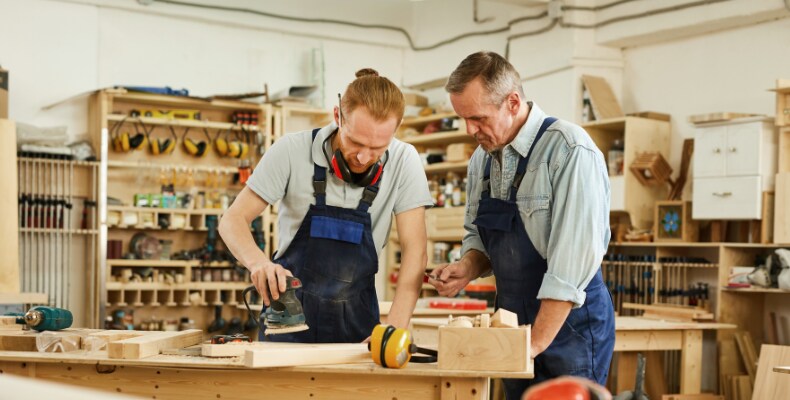
Modern life asks our brains to do far too much. Emails arrive before breakfast. Notifications blink while we try to focus. Deadlines stretch across the day like long shadows. It is no wonder that so many people feel mentally tired even when they have not moved their bodies much at all. The mind works without pause, and the result is a quiet but constant pressure.
This is where the simple idea of a home workshop begins to matter. When people step into a garage or small workshop and start working with their hands, something shifts inside the mind. The noise of daily worries softens. The body becomes active. The mind, surprisingly, begins to rest.
Working with tools invites a different kind of attention. Sanding a board, tightening a bolt, or measuring a piece of wood pulls the mind into the present moment. These tasks are simple but meaningful. They require care, patience, and focus. In that focus, the mind gets a rare break from the endless cycle of thoughts.
Psychologists often explain that hands-on work can create a sense of calm because it connects thinking with physical action. Instead of carrying stress in silence, the body releases energy through movement. The hands guide the process. The mind follows.
A home workshop does not have to be large or perfect. It may be a corner of a garage, a small workbench by the wall, or a table where tools and ideas meet. What matters is the experience of building, fixing, shaping, and creating.
When your hands begin to work, your brain finally finds space to slow down. In a world that rarely stops moving, that simple shift can feel deeply refreshing.
The Quiet Power of Focused Work
One of the most powerful benefits of a home workshop is the deep focus it encourages. When people begin a project, their attention narrows in a natural way. The mind moves away from scattered worries and toward the small details of the task.
Think about the simple act of building a birdhouse. You measure a board carefully. You line up the pieces. You hold the nail steady before the hammer comes down. Each step requires attention, but it is a calm and steady attention rather than a rushed one.
Psychologists often describe this experience as a state of flow. Flow happens when a person becomes fully absorbed in what they are doing. Time feels different. The outside world fades into the background. The mind becomes clear and steady.
Research published in the Journal of Positive Psychology has shown that people who engage in creative activities often report feeling happier, more relaxed, and more energized in their daily lives. Simple acts of creation can improve mood and help people recover from stress.
In a workshop, this effect happens naturally. The hands guide the process, but the mind becomes fully involved. Instead of replaying worries or imagining future problems, the brain stays with the present moment.
Even small projects can create this feeling. Repairing a loose cabinet hinge, restoring an old bicycle, or organizing tools along a wall can offer the same quiet satisfaction. The work may appear simple, yet the mental impact is powerful.
When attention is focused on something real and tangible, the brain stops racing. Thoughts settle. The body relaxes. In many ways, the workshop becomes a place where thinking slows down just enough for clarity to return.
Creativity Grows When the Mind Has Space
A workshop is not only a place for repairs. It is also a place where creativity quietly grows. When people begin experimenting with materials, tools, and ideas, they often discover abilities they did not know they had.
Creativity does not always arrive in grand moments. More often it appears during small decisions. Which wood should I use for this shelf? How can I make this tool rack more useful? Could this old piece of metal become something new?
These questions invite curiosity. Curiosity invites imagination. Soon the project becomes more than a task. It becomes a process of exploration.
The hands play an important role in this process. When people physically handle materials, the brain receives constant feedback. The texture of wood, the weight of metal, the sound of a tool cutting through a surface all provide information that shapes new ideas.
This kind of learning is very different from the mental work most people do during the day. Many modern jobs involve screens, documents, and abstract thinking. Workshops bring thinking back into the physical world.
This shift can refresh the mind in surprising ways. A person who spends hours writing reports may suddenly feel energized when building a small table. Someone who works in front of a computer all day may find joy in restoring an old bicycle.
Creativity also grows stronger when there is room for mistakes. A workshop invites experimentation. A measurement may be slightly off. A design may need to change. Instead of failure, these moments become opportunities to learn.
Over time, each project builds a deeper sense of skill and imagination. The workshop becomes a place where ideas take shape through patience and practice. The result is not only a finished project but a mind that feels more open and alive.
Building Confidence Through Tangible Progress
Modern work often produces results that feel distant or invisible. A finished email disappears into an inbox. A completed report becomes another digital file. While these tasks are important, they rarely offer the simple satisfaction of seeing something take physical form.
Hands-on work changes that experience completely. When someone builds a shelf, repairs a machine, or restores a piece of furniture, the result stands right in front of them. The effort becomes visible.
This visibility has a powerful effect on confidence. Each finished project tells a clear story. At the beginning there was a problem or an idea. Step by step, the person worked through challenges and decisions. In the end, something useful exists because of that effort.
Psychologists often describe this feeling as self efficacy. It is the belief that a person can solve problems and complete tasks through their own ability. The more experiences people have with successful problem solving, the stronger this belief becomes.
DIY projects create many opportunities for this growth. A leaking faucet may seem small, but fixing it requires learning, patience, and persistence. Building a cabinet may involve measurements, tools, and careful planning. Each step strengthens practical skills and personal confidence.
A well-designed workspace can also support this process. Many people find that an adjustable workbench helps them work more comfortably and safely. For example, the Fleximounts WB1B Economy Electric Height Adjustable Workbench allows users to raise or lower the work surface depending on the task. The push button controls and programmable height settings make it easy to find a comfortable position, which reduces strain on the back and shoulders during long projects.
Comfort matters because it allows people to stay focused and engaged with their work. When the body feels supported, the mind remains calm and attentive.
Over time, the workshop becomes more than a place to build things. It becomes a place where confidence grows piece by piece. Every repaired tool, every finished project, and every solved problem adds another layer of quiet pride.
Working with your hands may look simple from the outside. Yet inside the mind, something meaningful is taking place. Stress fades, creativity awakens, and confidence builds through steady effort. In a small corner of a garage or workshop, the brain finds something it rarely receives during the busy modern day. It finds space to rest while the hands continue to work.


