


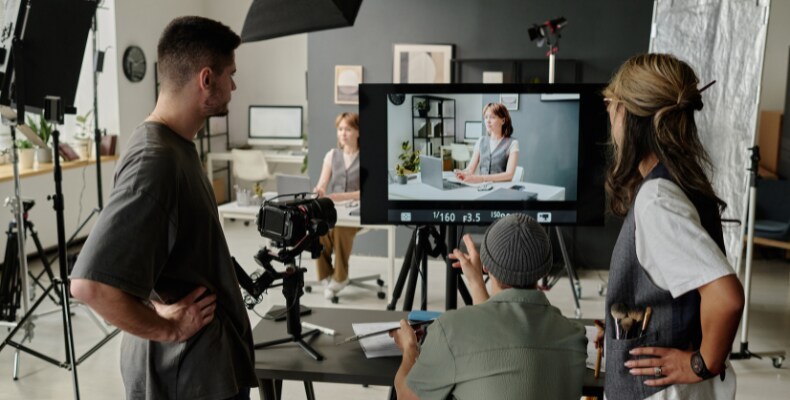
Every great film begins with a room and a reason. Before the giant premieres, before the glossy interviews, before the posters hanging in crowded theaters, someone stood in a cramped space with an idea they could not ignore. For many filmmakers, that space was not a polished studio lot in Hollywood. It was a garage with dusty shelves, old tools, tangled extension cords, and a folding chair sitting under a buzzing light.
The garage has always carried a strange kind of poetry. It is where people build things they are not fully sure will work. It is where inventions begin, where engines come apart and come back stronger, where musicians rehearse until midnight, and where stories slowly find their shape. Cinema has understood this truth for decades. Some of the most unforgettable scenes in film history happened inside garages because garages feel real. They hold tension, emotion, freedom, and possibility all at once.
You can see it in films like John Wick, where the garage becomes a brutal stage for survival. You can feel it in The Karate Kid, where quiet lessons between mentor and student unfold beside grease stains and old tools. Even chaotic teen films like Superbad turned garages into spaces where friendships cracked open and personalities spilled out into the night. The garage works because it feels close to life. It does not try too hard. It simply exists, waiting for someone to bring a camera into it.
That is why your next great movie may not need a massive budget or an expensive soundstage. It may only need the courage to look at an ordinary garage and see a world hiding inside it.
The Garage Is Already Built Like a Movie Set
A garage has texture before the camera even rolls. The walls are imperfect. The shadows move differently. Light sneaks through tiny openings and lands across concrete floors like scenes waiting to happen. Big studios spend thousands trying to recreate environments that already exist naturally inside garages. What filmmakers often chase through expensive production design can sometimes be found beside an old toolbox and a stack of paint cans.
Action films have understood this for years. In Terminator 2: Judgment Day, machinery, sparks, steel, and harsh lighting turned industrial spaces into places of fear and urgency. The setting felt believable because it was grounded in rough textures and tight spaces. Audiences could almost smell the oil in the air. That sense of realism matters more today than ever. Viewers are tired of overly polished worlds that feel distant from ordinary life. They want stories that breathe.
Garages also create intimacy. A giant studio lot can sometimes feel cold and mechanical, but a garage forces filmmakers to work closer together. Actors stand shoulder to shoulder. Directors adjust scenes in real time. Conversations happen between takes while someone leans against a workbench drinking coffee from a paper cup. That closeness often appears on screen. It creates performances that feel honest instead of manufactured.
Independent filmmakers have quietly understood this secret for decades. Some of the most respected directors in modern cinema began by filming inside cramped homes, parking lots, storage spaces, and garages because limitation often sharpens creativity. When you do not have endless resources, you learn how to use atmosphere, framing, and emotion more carefully. You stop depending on spectacle and start depending on storytelling.
The garage also carries emotional symbolism that audiences instantly recognize. It can feel like a refuge, a hiding place, a workshop, a prison, or a sanctuary depending on how it is filmed. In one scene, it becomes the center of teenage rebellion. In another, it becomes a quiet place where someone rebuilds their life beside an unfinished car. That flexibility makes garages one of cinema’s most underrated settings.
And unlike massive studio productions, a garage allows filmmakers to experiment without pressure. You can fail privately. You can test strange ideas. You can rewrite scenes at midnight without a production team staring at a schedule. That freedom is often where the strongest stories are born.
Why Small Spaces Often Create Bigger Ideas
The myth of filmmaking tells people they need expensive cameras, giant crews, and endless equipment before they can begin. The truth is less glamorous and far more encouraging. Some of the most memorable films succeed because they understand emotion, not because they spend the most money.
A garage strips filmmaking down to its essentials. Story. Light. Sound. Performance. Movement. That simplicity can become a strength. When audiences connect with a film, they rarely talk about the square footage of the set. They talk about how a scene made them feel.
Think about the emotional weight inside the garage scenes of The Karate Kid. Mr. Miyagi teaching Daniel simple motions beside old equipment did not need expensive visual effects. The power came from patience, rhythm, silence, and trust slowly forming between two people. The setting mattered because it felt grounded. The garage became part of the emotional language of the film.
Teen comedies understood this too. Films like Can't Hardly Wait used garages as places where young people could escape adult supervision and briefly create their own worlds. The garage party became more than a location. It became a symbol of freedom, confusion, excitement, and growing up too quickly. Audiences remembered those scenes because they recognized pieces of their own lives inside them.
Even car culture films transformed garages into spaces of obsession and identity. Gone in 60 Seconds and The Fast and the Furious treated garages almost like living spaces where machines carried memory and pride. The sound of tools hitting concrete, engines roaring awake, and radios humming in the background created a mood that expensive studios could never fake completely.
Small spaces also teach filmmakers discipline. You become more aware of framing because every inch matters. You learn how lighting changes mood because you cannot hide behind oversized sets. You discover how sound behaves against metal doors and concrete walls. These lessons shape better filmmakers because they encourage problem solving instead of excess.
Audiences today are also more open to raw filmmaking than ever before. Streaming platforms, online film communities, and social media have created space for independent voices to thrive. Viewers care less about perfection and more about originality. A compelling story filmed inside a garage can travel farther today than many studio films did twenty years ago.
The garage is no longer a limitation. In many ways, it has become an advantage.
Turning Your Garage Into a Cinematic World
Creating a film set inside a garage begins with seeing the space differently. Most people walk into a garage and notice clutter. Filmmakers walk into the same room and notice the atmosphere. They notice the way afternoon light cuts across the floor. They notice peeling paint, hanging wires, rusted shelves, and old chairs that quietly tell stories before anyone speaks.
Start with the walls because walls shape mood faster than almost anything else. Blank walls make scenes feel lifeless, but textured walls create personality. Vintage movie posters, old road signs, faded photographs, workshop tools, or painted murals can completely change the emotional tone of a scene. Every object inside the frame should feel like it belongs to the world of the story.
Lighting matters even more. Harsh overhead bulbs can create tension and unease. Warm string lights can make the garage feel nostalgic and intimate. Shadows can turn an ordinary corner into something mysterious. Professional filmmakers spend enormous amounts of time shaping light because light controls emotion. Even on a small budget, careful lighting can make a garage feel cinematic.
Comfort matters too. A film set runs on energy, and people work better when they feel relaxed. A simple seating area, drinks, snacks, and a calm atmosphere can transform long filming days into memorable creative experiences. Independent filmmaking often succeeds because the environment feels collaborative rather than corporate.
Storage is equally important because equipment piles up quickly. Cameras, microphones, cables, props, batteries, costumes, and tools need organization. Wall shelving becomes surprisingly valuable in small film spaces because it keeps the set functional without feeling crowded. Brands like Fleximounts have become popular among creators who want strong and practical shelving systems that maximize limited garage space while keeping equipment accessible.
Soundproofing also deserves attention. Garages naturally echo, and outside noise can ruin emotional scenes. Thick curtains, rugs, foam panels, blankets, and padded furniture can soften unwanted sound and create cleaner recordings. A quiet garage allows conversations and performances to breathe naturally on camera.
What makes the garage beautiful for filmmakers is not perfection. It is a possibility. A garage invites experimentation because it feels unfinished. Every filmmaker starts somewhere, and many of the stories audiences remember most began in spaces that looked ordinary at first glance.
Sometimes the next unforgettable film is not hiding inside a giant studio lot surrounded by executives and million dollar budgets. Sometimes it begins beside an old shelf, under dim lights, with a camera balanced carefully on a stack of boxes while someone says, “Let’s try one more take.”


