


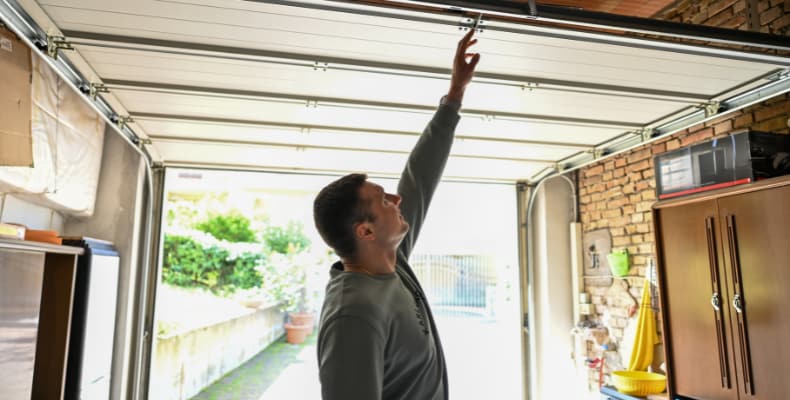
A concrete floor carries a subtle weight, a quiet promise of order waiting to be claimed under decades of dust and scattered boxes. When I first stood in the center of my cluttered space, the air smelled of dry cardboard and forgotten projects. It was easy to view the chaos as a physical burden, a simple collection of objects demanding to be shifted from one corner to another. Yet, as the hours turned into days, that rectangular room transformed into a quiet classroom. The slow process of clearing the floor forced me to slow down my racing thoughts and pay attention to the small details I usually rushed past in daily life. Everyday storage challenges became unexpected lessons in mental clarity, revealing that the way we arrange our immediate surroundings directly reflects how we handle internal noise.
The Art of Pausing Before the First Move
Patience rarely arrives with a dramatic flash of insight; it grows in the quiet moments when you choose not to rush. In the beginning, the temptation to clear the floor as quickly as possible was overwhelming, leading to stacked boxes that threatened to tumble at the slightest nudge. Real progress required a deliberate pause, a commitment to understanding how the room actually functioned before trying to fix it. Installing a Fleximounts overhead storage rack taught me that true patience means looking upward for solutions rather than forcing things into overcrowded spaces. Securing heavy metal channels into ceiling joists demands exact measurements, steady hands, and an unhurried rhythm. Standard ceiling joists are spaced sixteen or twenty-four inches apart, meaning every bolt must align precisely with solid wood to safely hold hundreds of pounds overhead. Measuring twice and drilling once became a physical rhythm that settled my mind. Rushing meant missing the stud, ruining the drywall, and starting over with weakened materials. By slowing down to align each bracket correctly, I learned that taking the time to build a proper foundation always saves hours of frustration later on.
Finding Deep Focus in the Small Details
Modern life constantly splits our attention into tiny, fractured pieces, making deep concentration feel like a lost skill. Working with my hands in a quiet room became an unexpected antidote to that constant digital noise. When assembling a Fleximounts workbench, there are no shortcuts or quick tricks that can replace honest, focused effort. The thick wood top and heavy steel frame demand total presence, forcing you to pay attention to every single screw, level line, and structural support. Tightening a frame bolt by bolt creates a steady, grounding routine that quietens the mind. A sturdy surface requires precise assembly, where a fraction of an inch out of alignment causes a noticeable wobble across the entire work surface. Finding that exact balance requires sitting on the cold floor, eye level with the steel joints, ignoring phone notifications and outside distractions. That level of single-minded concentration creates a state of flow where time seems to expand. The heavy wooden top finally rested flat on its frame, completely motionless under weight, providing a clear visual reminder of what happens when you give a single task your full, undivided attention.
Solving Structural Problems from the Ground Up
Problem-solving is rarely about finding a single brilliant answer; it is usually about breaking a large, messy challenge into manageable steps. A chaotic floor can feel completely overwhelming when viewed all at once, a solid wall of plastic bins, tools, and seasonal gear. The secret lies in changing your perspective and tackling the physical environment piece by piece. Mounting a set of Fleximounts wall shelving showed me how to break a massive project down into simple, logical stages. Wall space is often underutilized, yet it offers the most flexible opportunity for efficient, long-term organization. Finding the studs, marking the level lines, and anchoring the heavy wire decks required analyzing the weight distribution of everything I owned. Instead of seeing a giant pile of clutter, I began to see individual categories of items that each needed a logical home. Strong wall shelves clear the ground, allowing air and light to move freely through a room that once felt cramped and suffocating. When you solve the structural problems on the perimeter, the central space opens up naturally, proving that clear logic can transform even the most chaotic environment into a smooth, functional system.
The Quiet Satisfaction of Sustainable Systems
Creating an organized room is only half the battle; the real challenge is building a system that stays functional over long periods of time. Early on, I realized that temporary fixes always fail because they do not account for daily habits and realistic movement patterns. A sustainable system must be intuitive, making it just as easy to put an item away as it is to leave it sitting on the floor. Combining overhead racks, sturdy work surfaces, and heavy-duty wall shelves creates an interconnected framework where every object has a dedicated place. Lawn equipment sits at a comfortable lifting height, seasonal decorations rest safely near the ceiling, and daily hand tools stay within arm's reach of the main work table. This thoughtful layout removes the friction from daily routines, making tidiness an effortless habit rather than a constant chore. When a system fits your natural movements, maintaining order requires almost no extra effort. The daily discipline of returning a wrench to its designated bracket reinforces a sense of harmony that carries over into every other part of the work week.
Translating Physical Order into Mental Clarity
The final reward of clearing a physical space is the surprising mental freedom that follows the physical transformation. Walking into a well-ordered room changes your entire mindset, replacing visual stress with a quiet feeling of readiness and control. The heavy steel components, the solid wood surfaces, and the elevated wire shelves are more than just practical storage equipment; they are tools that help structure your thoughts. The patience learned while measuring ceiling joists becomes the calm focus you bring to complex work projects. The discipline required to build a wobble-free table becomes the steady determination needed to work through tough personal challenges. Every organized corner serves as a lasting reminder that big problems yield to steady, systematic effort over time. What began as a simple weekend project to clear some floor space ended up providing a powerful lesson in self-discipline, showing that when you take command of your immediate physical environment, you gain a clearer, more focused vision for everything else you set out to build.


