


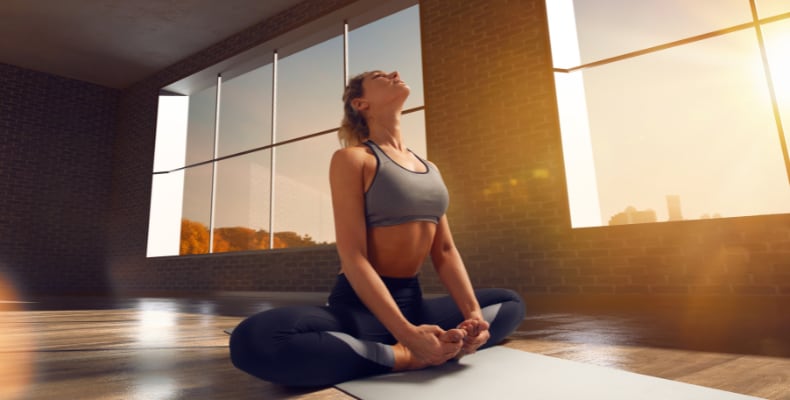
Life has a way of filling every corner before we notice it happening. Work stretches into the evening. Errands crowd the weekends. Notifications hum in the background. Slowly, clutter gathers, not just in our homes but in our schedules and our minds, while self care waits quietly for attention. Most people understand that movement matters. We know our bodies need it. Still, the idea of finding extra time or paying for a studio routine can feel like another burden added to an already full plate.
This is where yoga offers a gentle surprise. It does not demand perfection, special clothing, or a polished space. It asks for presence, a steady breath, and a small window of time. What many people overlook is that the most practical place to begin is already part of the home. The garage, often used as a holding zone for things we do not know where else to put, holds unexpected potential.
With thoughtful clearing and simple organization, the garage can become a calm, functional place for daily movement. When the floor opens up, so does the mind. The space shifts from storage to sanctuary. In that shift, the garage becomes a budget-friendly yoga studio that supports strength, balance, and clarity, one quiet practice at a time.
Why Fitness and Yoga Belong in Everyday Life
Fitness is often framed as a goal tied to appearance, but its deeper value shows up in quieter ways. Regular movement improves energy, sharpens focus, and makes daily tasks feel lighter. It strengthens the heart, protects the joints, and supports long term health in ways that compound over time. Yoga fits naturally into this picture because it works with the body rather than against it. It builds strength while increasing flexibility, and it encourages balance not just in muscles but in mood and attention.
Yoga also slows the pace of the day. Each practice creates a pause where breathing becomes steady and the mind settles. This matters because stress has become a constant companion for many people. Yoga lowers tension, supports better sleep, and helps regulate emotions. It teaches awareness, which carries into work, relationships, and decision making. Over time, this awareness becomes a skill that improves how people respond to pressure.
What makes yoga especially practical is its adaptability. A beginner can start with gentle movements and short sessions. Someone more experienced can explore longer flows and deeper poses. There is no need for machines or large equipment. A mat, some clear floor space, and consistent practice are enough. This simplicity is what makes the garage such a strong candidate for a home yoga space. It removes excuses tied to travel, cost, and crowded schedules. When the practice is only a few steps away, it becomes easier to return to it again and again.
How a Garage Becomes a Personal Yoga Space
The garage often feels separate from the rest of the house, which is exactly why it works so well as a yoga space. It offers privacy and distance from daily noise. With the door closed, it becomes quiet. With the door open, it invites light and fresh air. The transformation does not require renovation. It begins with clearing the floor and giving stored items a better home.
Vertical storage plays a key role here. Using systems like Fleximounts vertical storage allows items to move upward instead of spreading across the floor. Bicycles, tools, and seasonal gear can be stored safely against the wall, freeing up valuable open space. When the floor is clear, the garage feels larger and calmer almost instantly. This shift changes how the space is used and how it feels to be there.
Cleanliness matters more than decoration. Sweeping the floor, wiping surfaces, and ensuring good airflow create a sense of care. A yoga mat defines the practice area and signals that this space has a purpose. Simple lighting helps if natural light is limited. Soft music can add warmth, though silence works just as well. The goal is not to create a picture perfect studio but to create a place that feels welcoming enough to return to regularly.
One of the most freeing parts of practicing in the garage is the absence of comparison. There are no mirrors unless you want them. No schedules to follow. No pressure to perform. This freedom allows people to focus on how their body feels rather than how it looks. Over time, the garage becomes associated with calm effort and steady progress. It becomes a place where the day slows down and attention returns to the present moment.
Making the Practice Sustainable and Enjoyable
Sustainability is what turns intention into habit. A garage yoga studio supports this by removing friction. There is no commute and no membership fee. A short practice becomes possible even on busy days. This consistency matters more than intensity. Ten minutes practiced often brings more benefit than long sessions done rarely.
Space does not need to be large. Most poses fit within the length and width of a standard yoga mat. What matters is the ability to stretch arms and legs without worry. Knowing the layout of the garage helps practitioners adjust poses with ease. Movements can be modified to suit the space, and many effective sequences are done seated or kneeling. This flexibility keeps the practice accessible rather than restrictive.
Comfort and safety should guide decisions. Temperature matters, so choosing cooler times of day or adding light ventilation helps. The floor should be stable and clean to prevent slipping. Foam mats can add cushioning if needed. Keeping the space clutter free requires small habits, like returning items to vertical storage after use. These habits protect both the practice and the space itself.
Yoga is also a shared language. While the garage provides privacy, connection can still happen through online classes, virtual communities, and occasional studio visits. These connections offer guidance and inspiration while preserving the freedom of home practice. Over time, the garage becomes more than a place to stretch. It becomes part of a lifestyle that values health, simplicity, and care.
The idea that wellness requires expensive spaces is slowly fading. What replaces it is the understanding that meaningful routines grow best where life already happens. In a cleared garage, on a simple mat, with steady breath, a budget friendly yoga studio quietly does its work.


