


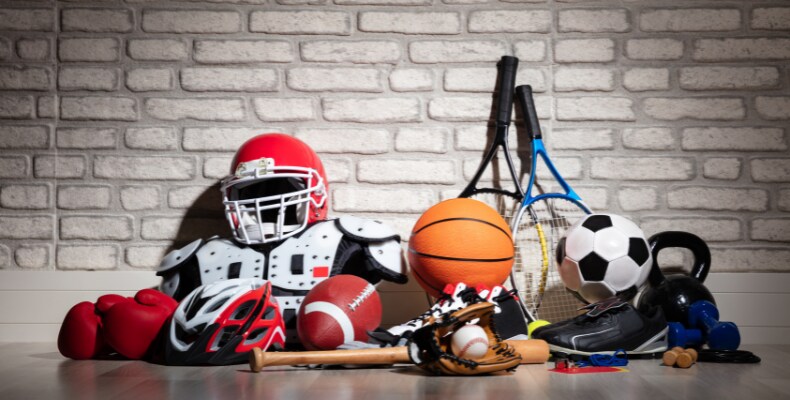
Step into most garages and you will see good intentions buried under clutter. A bicycle leans against a wall. A soccer ball rests under a workbench. A pair of cleats waits in a corner, still dusted with last weekend’s field. For an athlete, this space can feel less like support and more like resistance. Yet with a little thought and planning, the garage can become something else entirely. It can become a professional gear station that respects your time, your body, and your goals.
An athlete’s garage begins with a simple idea. Everything has a place. Every item is easy to find. Every surface serves a purpose. When equipment is stored with care, it lasts longer. When shoes can dry properly, they stay fresh. When bikes are secure, they are ready for the next ride. Order is not about perfection. It is about function. It is about walking into the room and knowing exactly where your helmet is, where your tape is, and where your energy begins.
This transformation does not require a massive renovation. It requires a clear plan. Think of the garage as a small training facility that belongs only to you. The more organized the space, the easier it is to focus on practice and performance. In this way, efficient garage storage becomes part of your training routine. It removes friction from your day and replaces it with momentum.
Bicycles and Large Equipment: Using the Walls Wisely
Bicycles are often the largest and most awkward items in a garage. Left on the floor, they take up precious space and invite scratches and bent spokes. The smarter solution is to lift them off the ground and let the walls do the work. Wall-mounted bike racks or sturdy hooks allow you to hang bicycles vertically, saving space and keeping them within reach. When bikes are stored upright, the floor opens up for stretching, strength work, or simply moving freely.
Adjustable hooks are especially helpful in homes where different bike sizes share the same space. A child’s bike and a road bike do not need the same clearance. With adjustable systems, you can create a clean row of bikes that looks intentional and professional. For garages with limited wall space, ceiling mounted hoists or pulley systems offer another solution. These systems lift bikes overhead, using vertical space that often goes unused.
Durable storage hardware such as the Fleximounts GR48H 4' x 8' Overhead Garage Storage Rack with Hooks can support heavy loads, including sports equipment and training tools. Built from cold rolled steel and designed to hold significant weight, this type of rack allows you to store bulkier items above your head, keeping the ground clear and safe. When large gear is stored high and secure, the garage feels larger, brighter, and more focused. The space begins to reflect the discipline of the athlete who uses it.
Balls, Rackets, and Bats: Containing the Chaos
Balls have a way of rolling into every corner. Basketballs, soccer balls, volleyballs, and smaller training balls can quickly turn a clean garage into a maze. The key is containment. Large bins or baskets gather similar balls in one place and prevent them from drifting across the floor. Clear or labeled containers make identification easy, so no one wastes time searching before practice.
For smaller items such as tennis balls or golf balls, mesh bags are practical and breathable. Hung on hooks or pegboards, these bags keep equipment visible and off the ground. Visibility matters. When you can see what you own, you are less likely to overbuy and more likely to use what you have. This simple shift supports both organization and budget.
Rackets and bats also benefit from vertical storage. Wall-mounted racks designed for these items protect them from damage and keep their shape intact. Hanging them neatly prevents warping and accidental impact. It also creates a visual order that feels calm and purposeful. Pegboards add flexibility to this system. With adjustable hooks and small baskets, you can rearrange your layout as seasons change. Baseball in one month can give way to tennis in the next without chaos.
Efficient garage storage is not about hiding equipment. It is about displaying it in a way that respects its role in your life. When your gear is arranged thoughtfully, the garage begins to look less like a storage unit and more like a private training club.
Protective Gear and Specialty Equipment: Care Extends Performance
Protective gear deserves special attention. Helmets, pads, gloves, and guards absorb sweat and impact. If they are tossed into a closed bin while damp, they can develop odor and mold. Proper drying is not optional. It is part of performance care. Drying racks or mesh shelves allow air to circulate freely around each piece. Hanging hockey pads or gloves on ventilated racks helps them dry fully before storage.
Storage cubbies work well for smaller accessories such as pucks, tape, mouthguards, or spare laces. Labeled compartments reduce last minute stress. There is a quiet confidence that comes from knowing your essentials are ready. This confidence carries into the game.
Golf clubs require upright storage to protect their shafts and heads. A dedicated golf bag organizer keeps clubs stable and prevents them from tipping over. Padded slots or hooks reduce wear and tear. Golf shoes should have their own designated area, such as a shoe rack or cubby, separate from muddy cleats or running shoes. This separation limits dirt transfer and preserves quality.
Weights, resistance bands, and training mats also need clear homes. Sturdy shelving units support heavier items, with the heaviest pieces placed on lower shelves for safety. Clear bins hold smaller fitness tools, making them easy to spot. Each of these choices reflects a simple truth. When equipment is cared for properly, it performs better and lasts longer. Organized storage becomes a form of respect for the work you put into your sport.
The System: Categorize, Maintain, and Elevate
Before installing racks and shelves, take time to categorize your gear. Group similar items together. Balls in one category. Rackets and bats in another. Protective gear in its own section. Larger equipment such as bicycles and scooters in a separate zone. This step clarifies how much space each category requires and prevents overcrowding.
Once categories are clear, design zones within the garage. A wall for bikes. A section of shelving for fitness tools. A pegboard area for small accessories. By creating defined zones, you reduce overlap and confusion. Maintenance then becomes easier. At the end of each week, return items to their zones. This habit takes only minutes but preserves the structure of the space.
Efficient garage storage is an ongoing practice. It evolves as your training evolves. New sports may enter your life. Old equipment may be retired. The goal is not rigid order but adaptable order. A professional gear station at home supports movement, discipline, and rest. It removes the small frustrations that drain energy before practice even begins.
In the end, the athlete’s garage is not just about shelves and hooks. It is about intention. It is about creating a space that encourages you to move, to train, and to return again tomorrow. When your sports equipment is organized with care, the garage becomes more than a storage area. It becomes a quiet partner in your performance, steady and ready whenever you are.


