


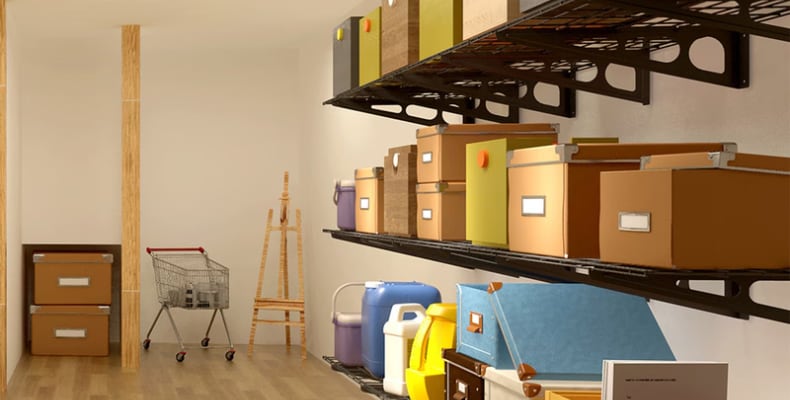
A small home can feel like a living puzzle when every corner carries a purpose. One room becomes a bedroom, office, dining area, and quiet escape all at once. For the solo resident, space is deeply personal. Every shelf tells a story. Every drawer holds a routine. Every empty wall carries potential waiting to be noticed. Living alone offers freedom, but it also demands creativity. Without careful organization, clutter slowly grows into stress, turning peaceful rooms into cramped storage zones that feel heavier by the day.
The good news is that smart storage is not about owning a massive apartment or expensive furniture. It is about learning how to use space with intention. A studio apartment, a compact condo, or even a garage can become beautifully functional when every inch is planned with care. The most comfortable homes are not always the largest. They are the ones that understand balance. They know how to create breathing room even in limited square footage. A solo resident has the advantage of designing a space that reflects personal habits, hobbies, and routines without compromise.
Storage should never feel cold or mechanical. It should feel natural, almost invisible, quietly supporting daily life without demanding attention. When done right, organization creates calm. It saves time in the morning, clears the mind at night, and makes even the busiest week feel manageable. The art of storage is really the art of living better with less stress and more intention.
Turning Empty Walls Into Functional Living Spaces
Most people look at a wall and see decoration. Smart solo residents see opportunity. Vertical space is often the most underused part of a home, especially in small apartments and compact garages. While floors quickly fill with furniture and belongings, walls remain open and forgotten. Yet these empty surfaces can completely transform the way a home functions.
Wall-mounted shelves create immediate breathing room by lifting items off the ground. Books, tools, hobby equipment, storage bins, and seasonal items suddenly gain a dedicated place without making the room feel crowded. A home instantly appears larger when the floor remains visible and uncluttered. This simple shift changes the atmosphere of an entire space.
Garages especially benefit from vertical storage systems. For solo residents who use their garage as both storage and workspace, organization becomes essential. A messy garage can quickly swallow tools, sports equipment, boxes, and supplies until the space no longer feels usable. Installing sturdy shelving along unused walls creates structure and order while preserving room for movement and creativity.
A practical solution is the FLEXIMOUNTS WR26 CLASSIC 2-PACK 2′ X 6′ WALL SHELVING. Designed to support up to 400 pounds, the shelves provide strong and reliable storage for everyday essentials and heavier equipment alike. The powder-coated steel brackets add durability while the buckle design with velcro support helps maintain stability and safety. Its clean design also blends naturally into modern garages, workshops, or utility rooms without making the area feel industrial or harsh.
What makes wall storage effective is not just capacity but accessibility. A well-organized shelf system keeps daily essentials within reach while reducing visual chaos. Clear containers, labeled bins, and grouped categories make routines smoother. Finding a screwdriver should not feel like a treasure hunt. Neither should searching for holiday decorations or workout equipment.
Lighting also plays a major role in making storage areas feel inviting instead of forgotten. Bright overhead lighting, warm wall lamps, or focused work lights can transform even a basic garage into a polished extension of the home. The moment a storage space feels intentional, it becomes easier to maintain. People naturally care for spaces that feel comfortable and organized.
For solo residents, the goal is not simply storing more items. The goal is creating a home that feels open, breathable, and easy to navigate every single day.
Building Multi-Purpose Zones That Work Harder
The modern solo lifestyle demands flexibility. One area often serves several purposes throughout the day. A dining table becomes a workspace in the morning and a hobby station at night. A garage shifts from parking space to fitness corner to repair station within hours. Homes now work harder than ever, which means furniture and layouts must adapt as well.
Multi-purpose zones are one of the smartest storage strategies because they reduce wasted space while improving functionality. Instead of dedicating entire rooms to a single purpose, solo residents can create fluid areas that transition naturally between activities. The secret lies in choosing furniture and layouts that support movement and adaptability.
A height-adjustable workbench is one of the clearest examples of practical flexibility. The FLEXIMOUNTS WB1B ECONOMY ELECTRIC HEIGHT ADJUSTABLE WORKBENCH offers an ergonomic workspace that can adapt to different projects and daily routines. With programmable height settings and sturdy telescoping legs, it allows users to comfortably switch between standing and seated work. Whether handling repairs, crafting, painting, or organizing tools, the adjustable design supports both productivity and comfort.
For solo residents who enjoy DIY projects or creative hobbies, a dependable workstation becomes the center of daily life. A cluttered table often discourages creativity because setting up feels exhausting before the work even begins. Organized workstations remove that barrier. Tools stay accessible, supplies remain sorted, and projects become easier to continue over time.
Storage underneath work areas is equally important. The lower portion of a workbench can house racks, rolling drawers, or stackable bins that maximize every inch of space. Furniture that combines work surfaces and storage helps smaller homes stay efficient without appearing overcrowded.
Beyond practicality, multi-purpose spaces create emotional balance. A thoughtfully designed hobby corner or workshop becomes more than storage. It becomes a place of focus and personal expression. For many solo residents, home is where creative energy is restored after long workdays. Having a dedicated area for music, painting, woodworking, fitness, or repairs helps maintain that sense of identity and routine.
Even small additions can elevate the atmosphere. A comfortable chair, compact refrigerator, Bluetooth speaker, or soft lighting can transform a functional workspace into a welcoming retreat. These details matter because people spend more time in spaces that feel enjoyable. Organization becomes sustainable when the environment itself encourages consistency.
A home should support daily life instead of constantly demanding cleanup and rearrangement. Multi-purpose zones achieve this by allowing one area to serve several meaningful functions without sacrificing comfort or efficiency.
Creating a Home That Reflects Personality Without Clutter
Storage is not only about function. It is also about emotion. A home should feel like an extension of the person living inside it. For solo residents, this becomes even more important because every room reflects individual habits, passions, and personality. The challenge is finding ways to showcase personal interests without overwhelming the space.
Many people mistakenly believe minimalism means removing personality from a home. In reality, the most memorable spaces feel deeply personal while remaining organized and calm. The balance comes from intentional display rather than scattered clutter.
A garage, for example, can become far more than a place for storage bins and forgotten equipment. Car enthusiasts can create polished spaces that highlight their vehicles with clean floors, strategic lighting, and organized wall storage. Artists can turn corners into creative studios with mounted supplies and compact workstations. Fitness enthusiasts can build simple home gyms with neatly stored equipment that remains easy to access.
When hobbies receive dedicated zones, homes feel more harmonious. Instead of spreading belongings randomly across rooms, every passion gains a clear and respected place. This reduces visual stress while allowing personality to remain visible throughout the home.
Color also influences how organized a space feels. Neutral tones create calm while carefully chosen accents add warmth and individuality. Black shelving against white walls creates contrast and structure. Wooden textures soften industrial spaces. Plants bring movement and life into garages and utility areas that might otherwise feel cold.
One overlooked storage tip is editing belongings regularly. Solo residents often hold onto items because storage feels personal and private. Yet unused objects quietly consume both physical and mental space. Keeping only what supports daily life or genuine happiness allows homes to feel lighter and more intentional.
The most effective storage systems are the ones that blend naturally into everyday living. They should support routines quietly in the background instead of constantly demanding attention. A well-designed home does not just store belongings. It creates peace of mind.
Living alone offers a rare opportunity to shape a space entirely around personal needs and passions. With thoughtful organization, adaptable furniture, and smart storage solutions, even the smallest home can feel expansive, inspiring, and deeply comforting. The beauty of solo living is not found in how much space exists, but in how wisely and creatively that space is used every day.


