


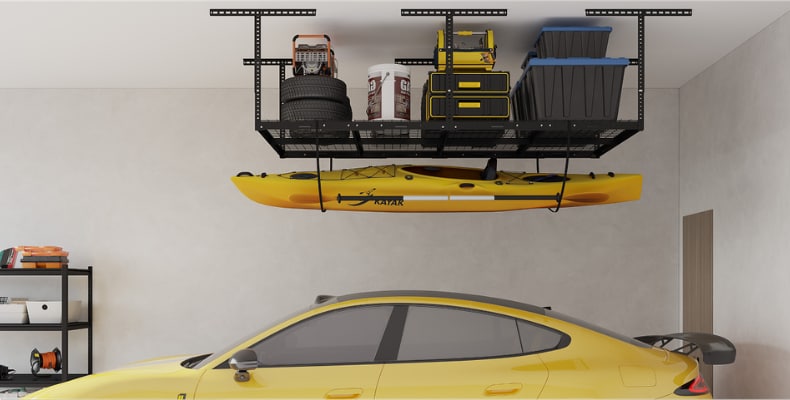
A garage has a simple job on paper. It gives your car a roof, a little protection from harsh weather, and a place to park without circling the block for an open spot. Yet walk into many garages today, and the car seems to be the least important thing in the room. Cardboard boxes occupy the corners. Old furniture leans against the walls. Sports gear hangs from chairs. Half-used paint cans sit beside holiday decorations, while a mysterious collection of cables waits patiently for a problem that may never come.
The garage can quietly become the place where decisions go to disappear.
It starts innocently enough. You have nowhere else to put something, so you move it into the garage. Then another item joins it. Before long, the garage becomes a storage room with a large door, and parking the car becomes an afterthought. The problem is not simply that the space looks messy. A cluttered garage can make everyday tasks harder, hide useful items, waste valuable floor space, and create hazards when boxes or belongings are stacked without a plan.
But your garage does not have to choose between being a practical parking spot and useful storage space. With thoughtful organization, it can do both. The secret is understanding what deserves the floor, what belongs on the walls, and what can move overhead.
When Your Garage Stops Being a Garage
The first warning sign is surprisingly easy to spot. You pull into the driveway, open the garage door, and realize that your car has nowhere to go. The floor is technically there, but boxes, tools, bicycles, garden equipment, old appliances, and forgotten purchases have claimed every available inch.
This is how garage clutter grows. It rarely arrives as one dramatic event. Instead, objects slowly migrate into the space because the garage feels like the easiest place to put them. Something does not have a home in the house, so it goes downstairs. A seasonal decoration only gets used once a year, so it goes into the garage. A broken chair might be useful someday, so it stays. Eventually, the garage becomes a museum of things you might need but cannot remember owning.
The trouble with this approach is that storage without a system is not really organization. It is postponement.
A crowded garage can also make simple chores surprisingly frustrating. You may know exactly where a screwdriver, camping chair, bicycle pump, or box of holiday lights should be, yet reaching it becomes an expedition. One item sits behind three others. A plastic bin is buried beneath a stack of boxes. Something falls when you move another object, and suddenly a five-minute task becomes a twenty-minute cleanup.
Safety deserves attention, too. Clutter on the floor can become a tripping hazard. Heavy objects stacked too high can fall. Items stored directly against walls or on damp floors may also be exposed to moisture, pests, or temperature changes. A garage does not need to look like a showroom, but it should allow you to move through it comfortably and safely.
The better question is not whether your garage can hold everything. It is whether everything inside deserves the space it occupies.
Make Room for the Car Without Losing Your Storage
A functional garage begins with one simple principle: protect the floor for the things that need the floor.
Your vehicle needs a clear path. So do you.
Start by looking at everything currently occupying the garage and consider how often you actually use it. Frequently used tools should be easy to reach. Seasonal items can be stored farther away. Bulky belongings that rarely leave the garage should not automatically take up prime floor space simply because they are large.
This is where vertical storage becomes important. Walls are often the most overlooked storage area in a garage. Shelves, cabinets, hooks, and pegboards can move belongings away from the floor while keeping them visible and accessible. Instead of spreading possessions outward, you begin building upward.
Think of your garage as having layers. The floor belongs primarily to your car, work areas, bicycles, and other items that need to be moved regularly. Wall space can hold tools, sports equipment, garden supplies, and smaller containers. Overhead areas can handle larger seasonal belongings that you do not need every week.
This approach also makes the garage easier to navigate. When items have designated locations, you spend less time searching and more time actually using them. A rake goes in one area. Tools stay together. Sports equipment has its own section. Holiday decorations can remain packed in labeled containers until their season arrives.
Clear organization does not mean every inch needs to be perfectly arranged. A little breathing room can make a major difference.
It also helps to think about access before buying storage. A shelf may look useful, but if it blocks the car door or makes a walkway too narrow, it creates a new problem. Storage should work with the way you use your garage rather than forcing you to change every habit around it.
The goal is not to create an Instagram-perfect garage. The goal is a garage where you can park your car, find your tools, retrieve your belongings, and walk around without feeling like you need a map.
Take the Garage Upward
Once the floor and walls have been given clear jobs, look up.
The ceiling is one of the most valuable storage areas in many garages because it is often almost completely unused. Overhead garage storage can create additional room without taking away the floor space your vehicle needs. It is particularly useful for items that are bulky, seasonal, or used only occasionally.
Think about holiday decorations, camping supplies, luggage, folding furniture, storage bins, and other belongings that do not need to be within arm's reach every day. Instead of allowing these items to form a mountain in the corner, overhead racks can give them a dedicated place above the garage floor.
One option worth considering is the Fleximounts GR48H Hooks 4' X 8' Overhead Garage Storage Rack. Its steel construction is designed for heavy-duty garage storage, with a listed capacity of up to 600 pounds when properly installed and used according to its specifications. The rack also includes hooks that can provide additional hanging storage, helping you make better use of the space above your vehicle.
The value of overhead storage goes beyond simply hiding clutter. It changes how the entire garage functions. When bulky possessions move upward, the floor becomes easier to clean, walking paths become clearer, and your car gets the parking space it was supposed to have in the first place.
Of course, overhead storage should always be installed correctly and loaded according to the manufacturer's instructions. The ceiling structure, mounting hardware, weight limits, and clearance around the garage door and vehicle all matter. Storage should create order, not introduce a new safety concern.
A well-organized garage can feel surprisingly different. The same four walls suddenly seem larger because the floor is visible. The car fits comfortably. Tools are easier to find. Seasonal items have somewhere to live. Even the simple act of opening the garage door feels less stressful.
Your garage does not have to be a choice between a parking spot and a storage room. It can be both, provided the space has a plan.
The real transformation begins when you stop asking, "Where can I put this?" and start asking, "Where should this live?"
That small change can turn a garage from a crowded dumping ground into a useful extension of your home. Your car gets its place. Your belongings get their place. And you get something surprisingly valuable in return: room to breathe.


