


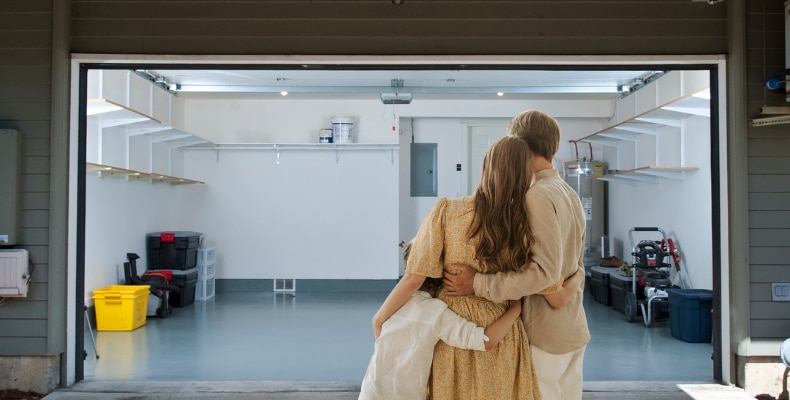
A garage is not just a room with a door that rolls up and down. It is often the most honest space in a home. It holds the proof of who lives there and how they live. Bikes lean against walls, boxes stack up with quiet hope, and half-finished projects wait for the right weekend. Over time, the garage becomes a shared story. That is also why it so easily turns into shared tension. One person wants order. Another needs room to play. Someone else just wants to park the car without a dance of cardboard and tools.
Garage zoning is not about control. It is about clarity. When every family member has a defined place, the garage stops being a source of stress and starts acting like a support system. Zoning helps you see the space not as one crowded room but as a series of small promises. This area is for work. That corner is for play. That wall is for storage. When the map is clear, daily life flows with less friction. The goal is not perfection. The goal is peace, with enough flexibility to feel human.
The Garage as Shared Ground, Not a Battleground
The first step in garage zoning is a shift in mindset. A garage works best when it is treated as shared ground rather than personal territory. This does not mean everyone can do whatever they want. It means the space is planned with intention, so needs do not collide by accident. Start by looking at how your family actually uses the garage, not how you wish they would use it. Notice who comes in and out most often. Pay attention to what gets dropped on the floor and what never seems to move. These patterns are quiet teachers.
Once you understand these habits, you can begin to draw invisible lines. A parking zone deserves clear space and safe walking paths. A work zone needs light, outlets, and surfaces that can take a beating. A family storage zone needs to be easy to reach, or it will fail. When zones reflect real behavior, people follow them without being told. This is where many garages go wrong. They are designed for an ideal version of family life that does not exist.
Clear zones also reduce emotional friction. When a child knows where sports gear belongs, reminders feel less like nagging. When a partner knows which shelves are shared and which are not, trust builds quietly. Zoning turns vague rules into visible structure. It replaces constant correction with gentle cues. Over time, the garage becomes a place where everyone feels considered, not crowded out.
Designing Storage That Respects Space and Bodies
Storage is the backbone of any successful garage zone. Without it, even the best plans collapse under clutter. Good storage is not about hiding things. It is about placing them where they make sense. Items used often should live within easy reach. Seasonal and rarely used items can move upward and outward. This simple logic protects both your time and your body.
Overhead storage is especially powerful in shared garages because it frees the floor for people, not piles. When heavy bins are lifted off the ground, the room feels larger and safer. Moisture, pests, and minor floods become less threatening. This is where systems from companies like Fleximounts earn their reputation. Their overhead racks are built to hold serious weight while staying adjustable, which matters in homes where needs change year by year. A rack that adapts grows with the family instead of fighting it.
Wall-mounted shelves and hooks also play a quiet but important role. They act as visual reminders of where things belong. A bike on a hook sends a clearer message than a bike leaning wherever it stopped. Storage that is visible but orderly reduces the mental load of decision-making. People put things away faster when the destination is obvious.
At ground level, a height-adjustable workbench adds another layer of respect. It acknowledges that not all bodies are the same. Adults can work without bending. Kids can build or study without climbing. A bench that moves up and down becomes a shared tool rather than a fixed obstacle. It supports learning, repair, and creativity in the same footprint. In a zoned garage, furniture like this bridges generations and uses.
Setting Expectations and Allowing Room to Bend
Even the best layout needs shared understanding. Zoning works when expectations are spoken out loud and kept simple. This is not about strict rules posted on the wall. It is about agreements that feel fair. If a zone is for parking, it stays clear enough to open doors safely. If a zone is for tools, those tools return home after use. If kids play in the garage, clean-up is part of play, not an extra task.
These expectations should be realistic. Life gets busy. Projects run long. Sports seasons overlap. A zoned garage should bend without breaking. This is where flexibility matters. Sometimes zones can overlap in time even if they do not overlap in space. A workbench used for repairs in the morning can become a homework table in the afternoon. The key is resetting the space after each use, so the next person is not starting from chaos.
Compromise keeps zoning human. One family member may need more space during certain months. Another may need quiet corners at different times. Revisit your zones once or twice a year. Treat it like a living map, not a fixed blueprint. Small adjustments prevent big resentments. When everyone feels heard, the garage stops being a symbol of conflict and becomes a sign of cooperation.
In the end, garage zoning is not about winning space. It is about sharing it well. With clear zones, smart storage, and honest expectations, the garage becomes more than a catch-all room. It becomes a place where daily life fits together with a little more ease. That kind of order does not just clean the floor. It clears the mind.


