


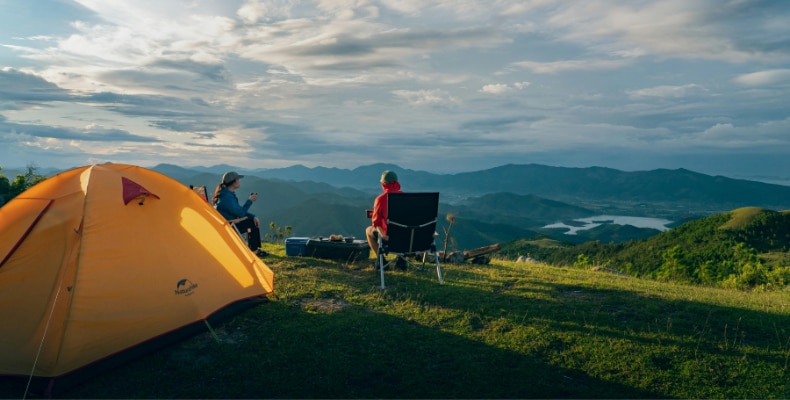
The feeling creeps in quietly. Days begin to blur, motivation dips, and even small tasks feel heavier than they should. Seasonal burnout is not always dramatic. It often shows up as a dull tiredness that lingers, a sense that your energy has been stretched too thin for too long. In a world that rarely slows down, many people are starting to ask a simple question. Can stepping away, even just for a weekend in the woods, actually reset the mind and body?
The idea is not new, but it is gaining attention for a reason. Science is beginning to confirm what people have long felt. Time in nature has a measurable effect on stress, focus, and emotional balance. A short escape can feel like a deep breath after weeks of shallow ones. It is not about running away from responsibilities. It is about creating space to return to them with clarity.
Why nature changes the way your brain feels
A weekend in the woods works because it shifts your environment in ways your brain responds to immediately. Modern life is filled with constant stimulation. Screens flash, notifications pull your attention, and noise becomes a steady background. Your brain stays alert for too long, and that constant alertness leads to fatigue.
Nature interrupts that cycle. When you step into a forest, your senses begin to slow down. The sounds are softer and more rhythmic. Leaves move in patterns that do not demand attention. Light filters through trees in a way that feels calm rather than harsh. These small changes tell your nervous system that it is safe to relax.
Researchers call this attention restoration. It means your mind gets a break from forced focus and shifts into a more natural rhythm. You do not have to try to relax. It begins to happen on its own. Studies have shown that even short exposure to green spaces can lower cortisol levels, the hormone linked to stress. This is one reason people often feel lighter after just a few hours outdoors.
There is also a physical side to this shift. Fresh air, natural light, and movement all play a role. Walking on uneven ground engages muscles differently than walking on pavement. Breathing in cleaner air can feel subtle, but it adds up. Sunlight helps regulate your sleep cycle, which is often disrupted during periods of burnout.
Even your thoughts begin to change. Away from constant input, your mind has room to wander in a healthier way. You may find yourself reflecting, but without the usual pressure. Problems that felt overwhelming can seem more manageable when you are not surrounded by the same environment that created them.
This is why a weekend is often enough to feel a difference. The goal is not to solve everything. It is to reset your baseline. When your body and mind are given the right conditions, even a short time can create a noticeable shift.
The role of preparation in making the escape truly restorative
Not all trips to the woods feel relaxing. The difference often comes down to preparation. If the logistics are stressful, the benefits of nature can be harder to access. A well-planned trip removes friction and allows you to focus on the experience itself.
This is where practical tools can make a real difference. Packing efficiently and keeping your gear organized reduces the small frustrations that can build up during travel. For example, using the Fleximounts HB60 60" Hitch Mount Cargo Carrier Basket with a 56" Waterproof Cargo Bag allows you to store bulky items outside your car while keeping them protected from weather. This frees up space inside your vehicle, making the journey more comfortable and less cluttered.
Organization continues to matter once you arrive. Setting up a functional space at your campsite can shape how relaxed you feel. The Fleximounts TR1 Tailgate Table Foldable Rear Cargo Shelf attaches directly to the back of your car, turning your tailgate into a stable and accessible surface. It becomes a natural extension of your vehicle, a place where you can prepare meals, arrange your gear, or even sit with a notebook and a cup of coffee. Having this kind of setup means you are not constantly bending, searching, or improvising. Everything has a place, and that quiet order supports the calm you came for.
Preparation is not about overpacking. It is about thoughtful choices. Bring what you need to feel comfortable, but avoid turning the trip into a complicated operation. Simple meals, layered clothing, and a clear plan for your route and campsite go a long way.
Another key part of preparation is setting expectations. A weekend in the woods is not meant to be perfect. The weather may change. Plans may shift. The value comes from stepping out of your routine, not from controlling every detail. When you allow space for flexibility, the experience becomes more natural and less stressful.
Digital boundaries also matter. Consider limiting your phone use to essential tasks. Constant connection can pull you back into the same patterns you are trying to step away from. Even a partial break from screens can enhance the restorative effect of your time outdoors.
When preparation is done well, it fades into the background. What remains is a sense of ease. You wake up without urgency, move through your day without constant interruption, and begin to notice details you usually overlook.
What actually changes when you return home
The real question is not just whether a weekend in the woods feels good while you are there. It is whether it has a lasting effect once you return. The answer depends on how you carry the experience back into your daily life.
After time in nature, many people notice a shift in perspective. Tasks that once felt overwhelming may seem more manageable. This is partly due to reduced stress, but also because distance allows you to see things more clearly. When you step away from a problem, your mind has a chance to process it differently.
Sleep often improves as well. Exposure to natural light helps reset your internal clock, making it easier to fall asleep and wake up at consistent times. Better sleep alone can have a significant impact on energy levels and mood.
You may also find that your attention improves. With less mental fatigue, it becomes easier to focus on one task at a time. This can lead to increased productivity without the same level of strain. Instead of pushing through exhaustion, you are working with a clearer and more rested mind.
However, the effects are not permanent on their own. Returning to the same habits and environment can gradually bring back the same feelings of burnout. This is why it helps to integrate small elements of your weekend into your routine. Spend more time outdoors, even if it is just a short walk each day. Create moments of quiet where you are not surrounded by constant input. Keep your living and working spaces organized to reduce unnecessary stress.
The goal is not to replicate the woods in your everyday life. It is to carry forward the sense of balance you experienced. A weekend away can act as a reset, but maintaining that reset requires small, consistent choices.
Seasonal burnout is not something that disappears overnight. It builds over time, and it often needs intentional effort to unwind. A weekend in the woods is not a cure in the strict sense, but it can be a powerful starting point. It offers a reminder of what it feels like to be present, rested, and connected to something beyond your daily routine.
In that quiet space between trees and open sky, something shifts. You begin to remember that rest is not a reward for finishing everything. It is a necessary part of continuing at all.


