


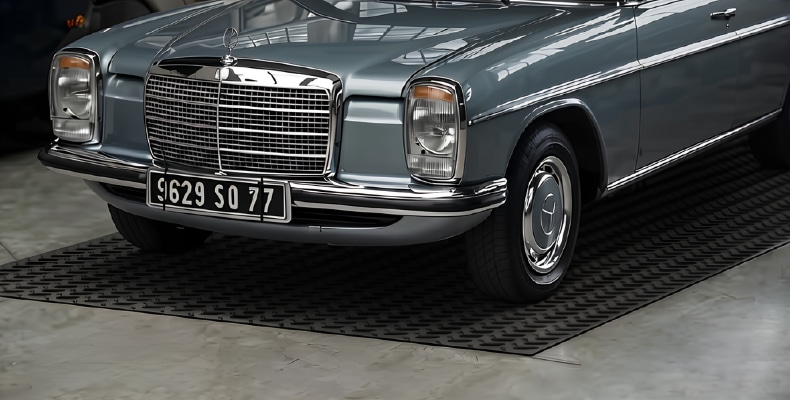
A garage floor has a harder life than most homeowners realize. Every day, it supports the weight of a vehicle, catches dripping oil, collects dirt from the road, and endures the constant shuffle of shoes, tools, boxes, and equipment. In many homes, it also doubles as a workshop, home gym, storage area, and frequently used entrance. That is a lot to ask of a single surface.
Yet flooring is often the last thing people consider when renovating a garage. Bare concrete seems good enough until stubborn oil stains appear, cracks begin to spread, or a cheap coating peels away beneath hot tires. What looks like a small cosmetic problem can eventually become an expensive repair.
The secret to a lasting garage floor is not simply choosing an attractive finish. It is understanding what the surface must withstand. Whether you prefer epoxy, polyaspartic coatings, or protective rubber flooring, five essential features deserve your attention before you spend a single dollar.
1. Proper Surface Preparation Is the Foundation of Everything
A beautiful garage floor begins with work that most people never see. Before any coating or flooring material goes down, the existing concrete needs to be clean, dry, sound, and properly prepared. Skipping this stage is one of the most common reasons garage floor coatings fail prematurely.
Concrete may look solid, but its surface can contain oil, dust, old paint, and other contaminants that prevent new materials from bonding correctly. Moisture trapped inside the slab can also interfere with adhesion, causing bubbles, peeling, or other defects. That is why moisture testing should happen before installation, particularly in garages with a history of dampness.
Depending on the concrete and the chosen product, professional preparation may involve diamond grinding or suitable etching methods to create the right surface profile. Existing cracks and damaged areas should also be repaired before installation. Even premium epoxy cannot compensate for poor preparation. Think of it as building a house: what lies underneath determines how well everything above it performs.
2. Chemical and Oil Resistance Keep Stains From Taking Over
Garages are not clean rooms. Motor oil drips from engines, brake fluid escapes during maintenance, road salt arrives on wet tires, and household cleaners occasionally spill during weekend projects. Without adequate protection, these substances can penetrate porous concrete, leaving stains that are difficult or sometimes impossible to remove completely.
A garage floor with good chemical and oil resistance creates a protective barrier between everyday spills and the concrete beneath. Nonporous coatings and suitable rubber flooring can make routine cleaning much easier, although their resistance varies by material and chemical. Always check the manufacturer's specifications, especially if you regularly work on vehicles or handle automotive fluids.
The difference becomes obvious during cleanup. On an unprotected slab, an oil spill can spread into the concrete and leave a dark mark long after the liquid is gone. On a properly protected surface, many spills can be wiped away before they cause lasting damage, provided the material is compatible with the substance and the spill is cleaned promptly.
For homeowners who want a garage that stays presentable without constant scrubbing, chemical resistance is a practical requirement, not an optional upgrade.
3. Slip Resistance Matters More Than a Shiny Finish
A glossy garage floor can look impressive under bright lighting. But when rainwater drips from a car, wet shoes cross the threshold, or a cleaning solution spills near the workbench, that attractive surface can become a slipping hazard.
Slip resistance deserves special attention in garages because moisture and automotive fluids are difficult to avoid entirely. The right solution depends on how the space is used. Coated floors can incorporate compatible anti-slip additives, such as aluminum oxide or suitable aggregate, to create additional texture. Decorative flake systems can also provide surface texture, depending on the product and installation. Interlocking tiles with textured faces may offer another option.
However, texture alone does not guarantee safety. The material, contaminants, footwear, drainage, and cleaning routine all affect traction. A surface that performs well when dry may behave differently when wet or contaminated with oil.
When comparing garage flooring options, ask about slip resistance under the conditions you expect to encounter. You do not need to sacrifice appearance for safety. The goal is a floor that looks polished while giving your family a more secure surface to walk on.
4. Heavy-Load and Impact Durability Protect Your Investment
A garage floor does more than hold a parked car. It must withstand repeated vehicle traffic, rolling tool cabinets, dropped wrenches, heavy storage equipment, and the occasional project that turns an ordinary afternoon into a full workshop operation.
These demands expose the difference between flooring designed for everyday use and materials that are simply inexpensive to install. Weak coatings may chip under impact, while poorly installed systems can crack, lift, or separate from the concrete. Another common problem is hot-tire pickup, which occurs when warm tires adhere to an unsuitable coating and pull it away as the vehicle moves.
Look for flooring systems designed for your actual load requirements. Product specifications should address vehicle traffic, impact resistance, and suitability for the intended application. The condition of the concrete beneath the flooring matters just as much, since a strong finish cannot fully compensate for a deteriorating slab.
Durability also depends on installation quality and maintenance. A well-chosen floor should handle normal garage activity without demanding constant repairs. Before buying, consider not only the weight of your vehicle but also how you use the space every week. A garage that doubles as a woodworking shop has different demands from one used primarily for parking.
5. UV Stability and Temperature Resistance Prevent Premature Damage
Garages may be sheltered from the weather, but they are not always protected from its effects. Sunlight pours through open doors, summer temperatures heat the concrete, and cold weather can introduce repeated freeze-thaw cycles in suitable climates. Over time, these conditions can expose weaknesses in the flooring material.
Some epoxy formulations can yellow or discolor under prolonged ultraviolet exposure, especially where sunlight reaches the floor regularly. A UV-resistant polyurethane or polyaspartic topcoat can help maintain appearance, depending on the specific formulation and system. If your garage door stays open for long periods, or part of the floor receives direct sunlight, this feature becomes particularly important.
Temperature changes deserve equal consideration. The concrete beneath a flooring system can expand, contract, and retain moisture as conditions change. Poor preparation, unsuitable materials, and incorrect installation can contribute to cracking, bubbling, or peeling.
Check the manufacturer's guidance for UV exposure, operating temperatures, moisture conditions, and installation limits. A product that performs beautifully in one environment may not be suitable for another. Choosing a floor designed for your local conditions helps protect both its appearance and its long-term performance.
A Practical Option: Fleximounts GFM04 Diamond-Plate Rubber Flooring
Not every garage needs a permanent coating applied directly to the concrete. For homeowners who want a protective surface that is practical, comfortable, and relatively easy to maintain, rubber flooring can be worth considering.
The Fleximounts GFM04 Diamond-Plate Rubber Flooring is designed for multiple settings, including garages, warehouses, gyms, and other work areas. Its diamond-plate pattern provides a textured appearance, while its rubber construction offers a protective layer between daily activities and the existing floor.
The mat is made from SBR rubber and measures 0.12 inches, or approximately 3 millimeters, thick. Its construction is intended to provide durability and grip, with a profile suited to spaces that need practical floor protection without a thick, raised surface.
Another useful feature is its waterproof, leak-resistant design. The patterned backing is intended to help manage water stains and spills, reducing the risk of liquids reaching the floor underneath when the mat is properly installed and used as directed. This can make routine maintenance easier, although spills should still be cleaned promptly and the flooring manufacturer's care instructions followed.
The material can also be trimmed to fit a particular area and cleaned for reuse. That flexibility is helpful when covering a workbench zone, creating a more comfortable standing area, or protecting selected sections of a garage. Before placing it beneath a vehicle, check the manufacturer's guidance on vehicle compatibility, positioning, and long-term load suitability. Rubber flooring is not automatically a replacement for every heavy-duty garage floor system, but it can be a practical choice for targeted protection.
The Best Garage Floor Is the One That Works for Your Life
Choosing garage flooring is about more than color, gloss, or the latest renovation trend. Proper surface preparation, chemical resistance, slip resistance, heavy-load durability, and UV and temperature stability determine how well a floor performs after the excitement of installation has passed.
Each requirement addresses a different problem, but together they help reduce premature wear, simplify cleaning, and protect the concrete beneath. They also help homeowners avoid the frustrating cycle of buying a cheap solution, watching it fail, and paying for another installation.
Before starting your next garage renovation, take a close look at your existing floor. Check for cracks, oil stains, moisture problems, peeling coatings, and slippery areas. Then compare flooring options against the conditions your garage actually faces, rather than choosing on appearance or price alone.
A well-designed garage floor should make everyday life easier, whether you are parking after a rainy commute, repairing a bicycle, organizing tools, or spending a Saturday on a home project. Invest in the right features from the beginning, and your garage will be better prepared for the years of hard work ahead.


