


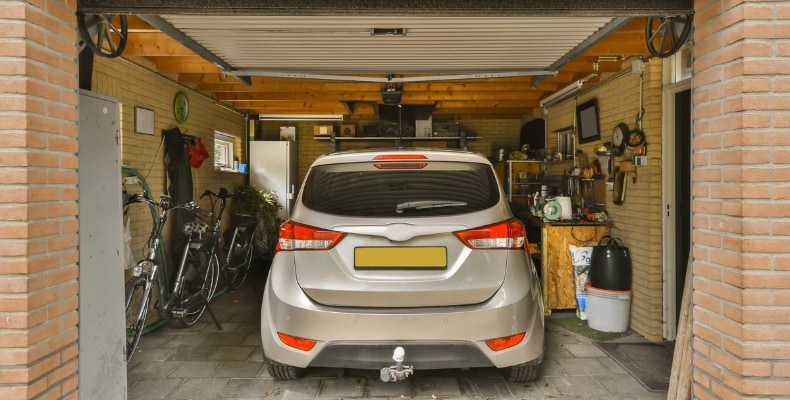
Your garage has potential, but right now it feels stuck in the middle. It is not a storage space you trust, and not a place you enjoy stepping into. It holds things, but it does not serve you. You open the door, take one look at the clutter, and quietly close it again. That small moment reveals the problem. The space feels disconnected from your home and your routine. A garage should not feel like an afterthought or a place you avoid. It should feel useful, clear, and easy to step into. With the right approach, it can become a natural extension of your home that supports your daily life instead of slowing it down.
The good news is that fixing a mid garage does not require a full renovation or a huge budget. It requires clarity, a few smart systems, and the willingness to rethink how the space is used. With the right approach, your garage can shift from a chaotic holding zone into a clean, functional, and even inspiring space before June arrives.
The first step is to rethink what your garage is actually for, because most garages fail not from lack of space but from lack of purpose. When everything has a vague place, nothing truly belongs anywhere. That is how clutter builds. Start by deciding what roles your garage should play. It might need to store seasonal items, house tools, protect your car, and maybe even serve as a small workspace. Once those roles are clear, you can begin shaping the space around them. This is where vertical thinking becomes powerful. Most garages waste the most valuable real estate they have, which is the wall and ceiling space. Installing Fleximounts overhead garage storage racks can completely change how the space feels. Instead of piling bins on the floor, you lift them above, creating breathing room below. Suddenly, the garage floor opens up. You can walk without stepping over things. You can see what you own. That sense of openness is not just visual. It reduces stress and saves time. When items are stored overhead in labeled bins, you stop digging through piles to find what you need. The garage begins to feel intentional. This shift also protects your belongings from moisture and accidental damage. By using the ceiling space wisely, you turn dead space into active storage without crowding your daily movement. The goal is not to hide everything, but to give everything a defined home that makes sense.
Once the overhead space is working for you, the next layer is about creating structure along the walls so that everyday items are easy to access and easy to put back. A garage becomes frustrating when the items you use most often are the hardest to reach. That is where Fleximounts wall shelving comes in as a simple but powerful solution. Wall-mounted systems create a clear visual order. Tools, sports gear, cleaning supplies, and small equipment can each have their own section. When you walk into the garage, your eyes quickly understand where things belong. This reduces the mental effort of maintaining the space. It also encourages better habits, because putting something back feels quick and natural. The key is to group items by function rather than by size or randomness. Keep gardening tools together. Keep car care items together. Keep household overflow in one zone. This kind of zoning makes the garage feel like a well-organized store rather than a cluttered storage unit. It also allows you to adjust as your needs change. Wall shelving systems are flexible, so you can move things around without starting from scratch. Over time, this flexibility matters more than perfection. A garage that adapts will stay organized longer than one that is too rigid. The wall becomes a living system that evolves with your life. And when everything has a visible place, the garage becomes easier to maintain than to ignore.
The final shift is about turning your garage from a passive storage space into an active part of your daily routine. A garage should not just hold things. It should support how you live. This means creating small areas within the space that invite use. Even a simple work surface can change how often you engage with the garage. When you have a clean spot to set down tools, sort items, or handle quick projects, the space becomes useful rather than avoided. Good lighting also plays a quiet but important role. A well-lit garage feels safer, cleaner, and more welcoming. It encourages you to spend a few extra minutes organizing instead of rushing out. Clean floors matter too. Once clutter is lifted and walls are structured, take the time to clear and maintain the floor. A clean floor reinforces the idea that the space is cared for. It creates a visual reset every time you open the door. Over time, these small signals build a new habit. You begin to treat the garage as part of your home rather than a separate zone of chaos. This is where the real transformation happens. It is not just about storage solutions. It is about changing your relationship with space. When the garage supports your routine, it becomes easier to keep it in shape. You stop avoiding it. You start using it.
By the time June arrives, the difference can be striking. What once felt cramped and unclear can feel open, structured, and purposeful. The overhead racks hold what you do not need every day. The wall shelving keeps essentials within reach. The floor stays clear enough to move freely. Each part of the garage works together, creating a system that feels simple but effective. This is what a well-functioning garage looks like. It is not about perfection. It is about clarity and ease.
A mid garage is not a permanent condition. It is a starting point. With a few smart changes and a clear plan, it can become one of the most useful spaces in your home. And once you experience that shift, you will wonder why you waited so long to fix it.


