


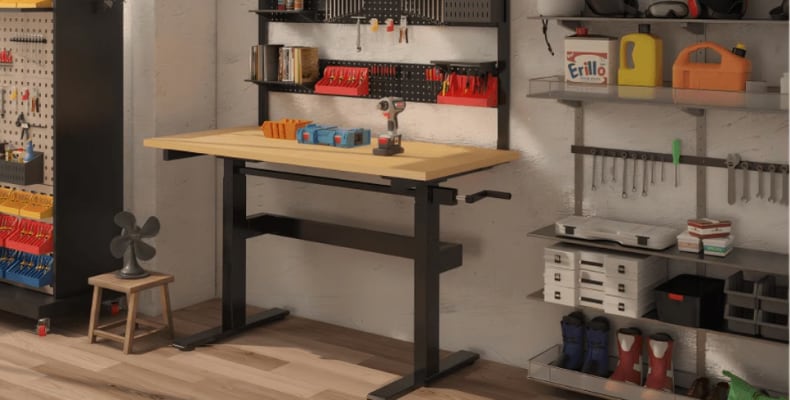
A garage without a workbench feels unfinished. It might have tools on the wall, boxes on the floor, and good intentions floating in the air, but without a steady surface to bring ideas down to earth, progress stays scattered. The workbench is where thinking becomes doing. It is where hands meet materials and time slows just enough for care and focus to take over. This is not about nostalgia or tradition. It is about function, flow, and the quiet power of having a place designed for real work. If you enjoy fixing, building, or learning by doing, the workbench is not optional. It is essential.
A Stable Surface That Turns Effort Into Progress
Every meaningful project needs a place to land. A workbench provides that grounding. It absorbs pressure, weight, and motion so your attention can stay on the task instead of the surface beneath it. When you work on a table that wobbles or a floor that forces you to crouch, energy leaks away. You work slower. Mistakes creep in. A solid workbench changes the rhythm. You stand taller, move with purpose, and finish tasks with less strain.
This stability improves accuracy in ways people often overlook. Measuring, cutting, drilling, sanding, and assembling all depend on consistency. A strong bench keeps materials level and secure, allowing your hands to do what they are trained to do. Over time, this leads to better results and greater confidence. You trust your setup, so you trust your instincts more.
There is also a mental benefit to a reliable surface. When you step up to a workbench, your mind recognizes it as a place for focus. Distractions fade. The rest of the garage becomes background noise. This mental shift matters, especially for complex or long projects. A workbench is not just furniture. It is a physical signal that work is about to happen, and that signal helps you show up fully.
Order That Supports Creativity Instead of Fighting It
Organization is not about perfection. It is about access. A workbench creates a natural system where tools, parts, and materials live close to where they are used. Drawers, shelves, and pegboards attached to or placed near a bench reduce wasted movement. You reach instead of search. You continue instead of pause. This steady flow keeps projects alive.
When tools have a home, the workspace feels calmer. That calm makes it easier to think clearly. You can see what you have, what you need, and what comes next. This clarity invites experimentation because fear of losing control fades. You are more willing to try something new when you know cleanup will not feel overwhelming.
A well arranged workbench also teaches discipline without pressure. You put tools back because it feels right, not because you should. Over time, this habit spreads. Projects start cleaner and end cleaner. Mistakes become easier to spot. Small improvements compound into better outcomes. Organization stops being a chore and becomes part of the process, quietly supporting every step.
A Space Where Ideas Become Real Objects
Ideas are fragile until they take shape. A workbench gives them that chance. It is the place where imagination meets resistance and learns how to work with it. Wood pushes back. Metal resists. Screws slip. Measurements change. At the bench, these challenges become lessons instead of roadblocks.
This space invites learning through touch. You feel weight, texture, and balance. You understand materials not just by reading about them, but by working with them. This kind of learning sticks. It builds skill faster and deeper than theory alone. Over time, your hands begin to anticipate problems before they happen.
The workbench also welcomes small beginnings. Not every project needs to be ambitious. Simple repairs, quick fixes, and modest builds all belong here. These small wins matter. They build momentum and trust in your ability to solve problems. The bench does not judge scale or outcome. It simply offers space, support, and patience.
Built for Adaptation and Long Term Use
A good workbench grows with you. As skills change, so do needs. Height-adjustable benches reduce strain and make long sessions more comfortable. Wider surfaces allow for larger builds. Strong frames support heavier tools and materials. This flexibility turns a bench into a long term partner rather than a temporary solution.
Modern workbenches are designed with this evolution in mind. Solid wood tops offer durability and a smooth working surface that handles repeated use. Steel frames provide strength without excess bulk. Crank or electric height adjustments allow the bench to adapt to different tasks and users. These features are not luxuries. They are practical responses to real working conditions.
A well-chosen workbench saves time and protects your body. Better posture reduces fatigue. Proper height prevents unnecessary bending. Stable surfaces reduce rework caused by errors. Over years of use, these benefits add up. The bench becomes a reliable constant, ready whenever you are, no matter how your projects change.
Why the Right Workbench Becomes the Heart of the Garage
The garage is often the most flexible space in a home. It shifts between storage, workshop, and gathering place. The workbench anchors all of it. People naturally gather around a sturdy surface. Conversations start while hands stay busy. Knowledge is shared casually through demonstration rather than explanation.
This shared space builds connection. Teaching someone how to use a tool or fix something simple creates trust and respect. Working side by side turns the garage into a place of collaboration instead of isolation. The bench supports this by offering room for more than one set of hands.
When problems arise around the house, the workbench waits quietly. A loose hinge, a broken handle, a device that needs attention all find their way there. Repairs feel manageable because the space is ready. Tools are nearby. Lighting is adequate. The surface is steady. This readiness turns frustration into progress.
Choosing the right workbench matters. A hand crank height-adjustable model with a solid rubberwood top offers durability, comfort, and control for varied tasks. A strong steel frame supports heavy loads while remaining stable. Electric adjustable L-shaped benches expand workspace and adapt to complex setups, especially for larger projects. These designs recognize that real work demands flexibility and strength.
In the end, a workbench is not just something you own. It is something you use, rely on, and return to again and again. It holds mistakes as patiently as successes. It supports learning without judgment. Great things are not built in perfect conditions. They are built in prepared spaces. And nothing prepares a garage better than a well made workbench.


