


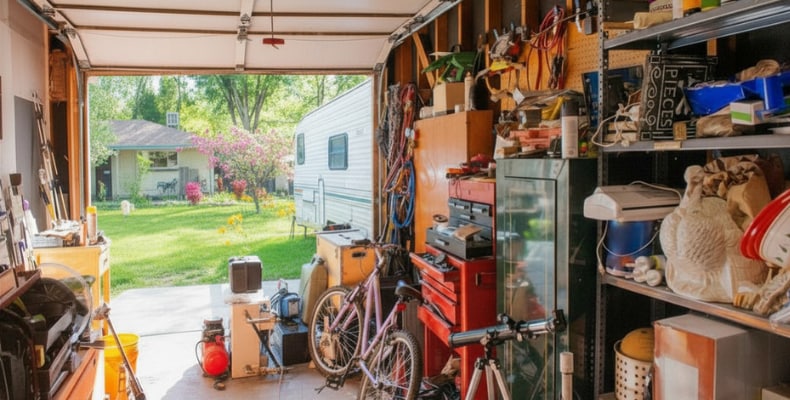
Spring has a way of telling the truth about your garage. The air shifts, the light changes, and suddenly the space you ignored all winter begins to speak. It shows you what has been piling up, what has been leaking, what has been quietly breaking down. A garage is not just a place for storage. It is a working extension of your home, and when it is out of order, everything around it feels harder. Spring is the right time to reset because the conditions are on your side. The weather invites you to open doors, move things out, and take a closer look. This is not about perfection. It is about awareness. Once you see the problems clearly, you can fix them with simple, smart steps. The goal is to make the space useful again, and maybe even enjoyable.
1. Moisture That Creeps In Without Warning
One of the most common spring problems is moisture. It comes from melting condensation, sudden rain, and trapped humidity that built up over colder months. You may notice damp corners, a faint smell, or even early signs of mold. These are not small issues. Moisture damages tools, weakens materials, and creates an unhealthy space. The solution begins with airflow. Open the garage regularly and let fresh air move through. Check for cracks where water might enter and seal them. A simple dehumidifier can make a big difference, especially in enclosed garages. Store items off the floor whenever possible. Even a few inches can protect against water damage. Spring is about drying out what has been hidden. Once you remove the dampness, the space feels lighter and more usable.
2. Clutter That Slowly Takes Over
Clutter does not happen all at once. It builds quietly through small decisions. A box placed here, a tool left there, a project paused and never finished. By spring, the garage can feel crowded and hard to navigate. This affects more than space. It affects how you think and work. The first step is to clear a single area and create momentum. Sort items into what you use, what you store, and what you let go. Be honest about what you actually need. Once the excess is gone, the room begins to open up. Cleaning is not just about removing things. It is about making space for better habits. When every item has a place, it becomes easier to keep the garage in order. Spring is not asking for a full overhaul. It is asking for clarity.
3. The Hidden Cost of Poor Storage
A lack of storage is one of the biggest reasons garages fall into disorder. When there is no clear system, everything ends up stacked, buried, or forgotten. This leads to wasted time and damaged items. A smart solution is to use vertical and overhead space. Installing a Fleximounts overhead garage storage rack allows you to keep seasonal items above and out of the way. Pair this with sturdy wall shelves to organize tools, bins, and equipment at eye level. This approach keeps the floor clear and the space functional. Good storage is not about having more room. It is about using the room you already have in a better way. When things are easy to find and easy to return, the garage begins to support your routine instead of slowing it down.
4. Pests That Move In Quietly
As temperatures rise, pests begin to look for shelter, and your garage can become an easy target. Small openings, food scraps, and cluttered corners create the perfect environment. You may not notice them at first, but signs appear in subtle ways. Chewed materials, droppings, or unusual smells. The key is prevention. Start by sealing gaps around doors and walls. Keep food sealed and remove anything that might attract animals. Regular cleaning reduces hiding spots. If the problem has already started, act quickly before it spreads. A clean and organized garage is less inviting to pests. Spring is the season when they are most active, so early action matters. Keeping them out protects not just your garage, but your entire home.
5. Tools That Lose Their Edge
During winter, tools often sit unused, exposed to cold and moisture. By spring, they may be rusted, dull, or simply not working as they should. This can slow down any project before it even begins. Take time to inspect each tool. Clean off dust and rust, sharpen blades, and check for damage. Proper maintenance extends the life of your equipment and makes work safer and more efficient. Store tools in dry, organized spaces where they are easy to access. A well-maintained tool is not just reliable. It also makes the process of working more enjoyable. Spring is the perfect time to bring everything back into working condition. When your tools are ready, you are ready.
6. Floors That Show the Wear of Time
Garage floors take on more than we realize. Oil stains, dirt, and cracks build up over time, especially after months of limited cleaning. In spring, these issues become more visible. A worn floor can make the entire space feel neglected. Start with a deep clean. Use a strong but safe cleaner to remove stains and grime. Once the surface is clean, inspect for cracks or damage and repair them early. Consider applying a protective coating to prevent future wear. A clean floor changes the way the garage feels. It becomes a place you can walk into with ease, not something you avoid. Small improvements at ground level have a big impact on the overall space.
7. Lighting That Holds the Space Back
Lighting is often overlooked, yet it shapes how the garage functions. Winter leaves behind dim bulbs and poor visibility, which can make even simple tasks difficult. In spring, longer days highlight the contrast between natural light and artificial lighting. This is a good time to upgrade. Replace old bulbs with brighter, energy-efficient options. Add task lighting where you need focus, such as workbenches or storage areas. Better lighting improves safety and productivity. It also makes the space feel more open and inviting. A well-lit garage encourages use. It turns the space into something active rather than forgotten. Spring is about renewal, and sometimes that begins with simply seeing things more clearly.


