


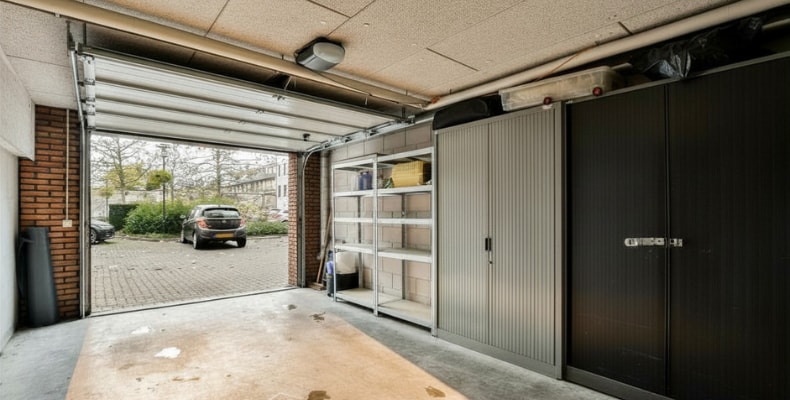
A garage can feel like its own season during the hottest months of the year. Step inside on a warm afternoon and the air often feels heavy, trapped, and stubborn. Heat gathers beneath the roof, settles around stored items, and turns what could be a useful workspace into a place people avoid. Whether you use your garage for parking, hobbies, workouts, home projects, or storage, excessive heat can make every task harder than it needs to be.
What many homeowners do not realize is that a cooler garage is not always about expensive renovations or major construction. Small changes can make a noticeable difference. The way heat moves through a garage follows simple rules. Sunlight enters, hot air rises, clutter traps warmth, and poor airflow allows temp eratures to climb. Once you understand these patterns, lowering the temperature becomes much easier.
The good news is that many of the most effective solutions can be implemented right away. By improving airflow, reducing heat absorption, and organizing the space more efficiently, you can create a garage that feels noticeably cooler and more comfortable. The transformation often begins with a few practical adjustments that work together to keep hot air moving and prevent heat from building up in the first place.
Improve Airflow and Let Heat Escape
Heat has a habit of collecting where it is least wanted. In most garages, warm air rises toward the ceiling and stays there. Over time, that trapped heat radiates downward, making the entire space feel hotter. One of the fastest ways to lower the temperature is to improve airflow and give hot air a path to escape.
Start by opening the garage door during cooler parts of the day, especially in the early morning or evening. Even a short period of natural ventilation can help flush out accumulated heat. If your garage has windows, opening them creates cross ventilation that encourages air movement. The simple act of moving air can make a surprising difference in how the space feels.
Fans can amplify this effect. A portable floor fan, wall-mounted fan, or ceiling fan can keep air circulating and prevent hot pockets from forming. While fans do not lower the actual temperature, they help heat disperse instead of lingering in one area. The result is a garage that feels fresher and more comfortable.
Pay attention to areas where airflow is blocked. Large piles of boxes, unused equipment, and overcrowded storage zones can create barriers that trap warm air. When air cannot move freely, heat settles and intensifies. Creating clear pathways allows ventilation to work more effectively.
Garage doors also play a role. Older doors often allow heat to seep inside throughout the day. Adding weather stripping around gaps helps reduce hot air infiltration while improving overall energy efficiency. If replacing a door is not practical, sealing cracks and gaps around the edges is a smart place to start.
Airflow works best when paired with good organization. The more open the garage feels, the easier it is for air to circulate. This is one reason many homeowners are turning to Fleximounts overhead racks. By moving seasonal items and rarely used belongings off the floor and into overhead storage, the garage becomes less crowded and air can move more freely throughout the space. A cleaner layout often feels cooler because heat is no longer trapped among piles of clutter.
A garage does not need expensive cooling equipment to become more comfortable. Sometimes the biggest improvement comes from helping hot air leave the room instead of allowing it to stay.
Block Heat Before It Takes Over the Space
Cooling a garage becomes much easier when you stop heat from entering in the first place. Every sunny day, your garage absorbs heat through its roof, walls, windows, and garage door. Once that warmth gets inside, temperatures can rise quickly.
The roof is often the biggest source of heat gain. Sunlight beats down for hours, warming roofing materials until they begin transferring heat into the garage below. Adding insulation to the garage ceiling can help reduce this effect. Insulation acts like a barrier that slows heat transfer and helps keep indoor temperatures more stable.
Garage doors deserve attention as well. Large metal doors can become extremely hot under direct sunlight. Insulated garage door panels help reduce heat penetration and make the interior more comfortable. Even reflective insulation attached to the inside of the door can provide meaningful benefits.
Windows may seem small compared to the rest of the garage, but they can contribute significant heat. Sunlight streaming through glass creates a greenhouse effect that warms the interior throughout the day. Window films, reflective shades, or insulated curtains can reduce solar heat gain while still allowing natural light inside.
Color matters too. Dark surfaces absorb more heat, while lighter colors reflect it. If you are planning updates, choosing lighter paint colors for walls and ceilings can help create a brighter and cooler-feeling environment.
Another overlooked source of heat is the concrete floor itself. During the day, concrete absorbs warmth and slowly releases it back into the space. Keeping the floor clear and clean can help prevent heat from becoming trapped beneath piles of stored items.
Many homeowners focus only on cooling equipment when temperatures rise. Yet preventing heat from entering often delivers greater results. It is much easier to block heat than to remove it after it has accumulated.
Think of your garage as a shield between the outdoors and the rest of your home. Every improvement that reduces heat transfer helps create a more comfortable environment. These changes work quietly in the background, day after day, reducing temperature swings and making the space easier to use throughout the year.
Organize Smarter to Create a Cooler Garage
A cluttered garage often feels hotter than an organized one. While storage itself does not generate heat, the way items are stored can influence airflow, heat retention, and overall comfort. When boxes are stacked from floor to ceiling and every corner is packed with belongings, air movement becomes restricted. Heat becomes trapped, and the space starts to feel stuffy.
Creating a cooler garage often begins with reclaiming open space. The goal is not simply to make the garage look better. It is to create an environment where air can circulate freely and heat has fewer places to collect.
One of the most effective approaches is to move storage upward. Fleximounts overhead racks allow homeowners to use ceiling space that would otherwise remain unused. Seasonal decorations, camping gear, storage bins, and other infrequently used items can be stored above rather than across the floor. This opens valuable square footage and improves airflow throughout the garage.
Wall space offers another opportunity. Fleximounts wall shelving helps organize tools, supplies, and household items without creating floor-level obstacles. When belongings are neatly stored along walls instead of piled in corners, the garage feels larger, cleaner, and more breathable.
Organization also improves efficiency. When everything has a designated place, people spend less time searching through crowded areas. The garage becomes a functional extension of the home rather than a storage zone that feels overwhelming.
A well-organized garage can even improve safety. Reduced clutter lowers the risk of accidents and allows easier access to ventilation points, electrical outlets, and workspaces. The result is a space that not only feels cooler but works better in every season.
The relationship between organization and temperature is often underestimated. Yet open spaces allow air to move, reduce heat pockets, and create a more pleasant environment overall. Combined with better ventilation and heat-blocking strategies, smart storage solutions can dramatically improve comfort.
A cooler garage is rarely the result of a single change. It comes from several practical improvements working together. Better airflow removes trapped heat. Insulation and reflective materials reduce heat gain. Organized storage creates room for air circulation. Each step builds upon the next.
The result is a garage that feels less like a furnace and more like a useful, comfortable part of your home. Even small changes made today can make tomorrow's heat feel far more manageable. When temperatures rise, a smarter garage is often a cooler garage.


