


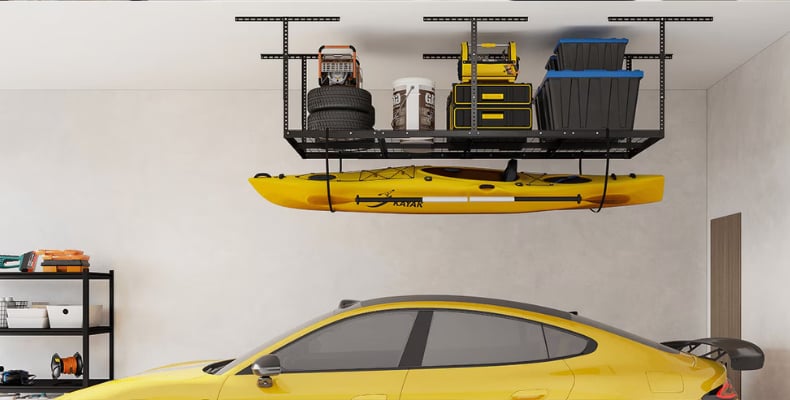
The garage is often treated as an afterthought, a place where things land when they no longer fit neatly inside the house. Yet this space quietly shapes how a home feels and how a day begins and ends. A cluttered garage can add tension without announcing itself, while a well planned one can offer calm, order, and surprising value. The difference is not about size or luxury. It is about intention, function, and design. This article explores how to tell whether your garage is working against you or quietly working for you, and how small, smart choices can shift it from stress to value.
1. The Garage as a Mirror of the Mind
The garage is often the first place we enter and the last place we leave, yet it is rarely treated with care. Over time it becomes a quiet archive of unfinished plans, forgotten tools, and objects kept out of habit rather than need. This clutter does more than steal space. It creates a low hum of stress that follows you into the house. When the garage is chaotic, it subtly tells the mind that things are out of control. You may not notice it at first, but the feeling shows up in small ways. Parking becomes a puzzle. Finding a screwdriver feels like a chore. The space meant to support daily life instead resists it. A garage that adds value feels different the moment the door opens. It feels intentional, calm, and useful. There is room to move and room to think. The floor is visible, the walls have purpose, and the ceiling is no longer wasted. This shift is not about perfection or minimalism. It is about clarity. When the garage is organized, it sends a message that your time matters and your home works for you. That message lowers stress and raises confidence. The garage becomes a place that supports routines instead of complicating them. In that sense, the garage is not just a storage zone. It is a daily signal of order or overload.
2. Space, Function, and the Hidden Cost of Clutter
Clutter in the garage carries a cost that rarely appears on a receipt. It costs time when you search for items that should be easy to find. It costs energy when you step around piles and feel boxed in. It costs money when tools are replaced because they were misplaced. Over years, these small losses add up. Function is the antidote. A valuable garage uses vertical space wisely and leaves the floor open for movement. Overhead storage turns empty air into a practical asset, lifting seasonal items out of the way while keeping them accessible. This is where thoughtful systems like Fleximounts overhead garage storage racks come into focus. They allow heavy items to rest securely above, freeing the ground for cars, bikes, or open work areas. Function also comes from having a place to work. A solid workbench gives the garage a center. It invites projects instead of postponing them. When tools have a home and surfaces are clear, tasks feel lighter. The garage stops being a dumping ground and starts acting like a useful room. This change reduces stress because the space now answers needs instead of creating obstacles. It becomes easier to maintain because order has a structure. Function creates value not by adding more things, but by letting the right things breathe.
3. Emotional Weight and Everyday Stress
A messy garage carries emotional weight that often goes unnamed. Each box can feel like a promise deferred or a decision avoided. Walking past that weight every day quietly drains attention. A garage that adds value does the opposite. It gives back a sense of control. When items are stored with care and intention, the mind relaxes. You know where things are. You trust the space. This trust matters. Studies on environment and behavior show that organized spaces reduce cognitive load. In simple terms, the brain works less when surroundings make sense. The garage, though practical, plays a role in this mental balance. A clean layout, sturdy racks, and a reliable workbench signal stability. They suggest that the home is prepared for both routine and surprise. This emotional shift can be felt after a long day when parking is easy and nothing topples over. It can be felt on a weekend morning when a project begins without friction. The garage becomes a quiet ally. Stress fades not because life is simpler, but because space no longer adds friction. Value grows because the garage supports calm, focus, and momentum. These are not luxuries. They are daily needs.
4. Financial Value and Long Term Thinking
Beyond emotion and function, the garage has a clear impact on financial value. Real estate experts often note that buyers look for usable space, not just square footage. A garage that feels organized and adaptable suggests a well cared for home. It hints that maintenance has been thoughtful and systems are in place. Overhead storage racks show that space has been maximized without damage. A strong workbench suggests versatility, whether for hobbies, repairs, or storage. These details matter during resale, but they matter even more during ownership. Investing in durable storage solutions reduces replacement costs and prevents damage from clutter. Items stored overhead stay dry and protected. Tools kept on a workbench last longer because they are not buried. Over time, these savings compound. The garage becomes a contributor rather than a liability. Financial value also appears in daily efficiency. When time is saved, it can be spent elsewhere. When stress is lower, decisions improve. The garage may seem like a small part of the home, but its influence reaches far. A space that works well supports better habits and better choices. That is value measured not just in dollars, but in quality of life.
5. Turning Insight into Action
Knowing whether your garage adds stress or value begins with a simple pause. Stand at the door and notice how you feel. If the space feels heavy, crowded, or tense, it is asking for change. That change does not require a full overhaul. It starts with intention. Decide what the garage is for. Is it storage, a workshop, or both. Once the purpose is clear, the path follows. Overhead racks reclaim space you already own. A dependable workbench anchors the room. Together, they create structure. Maintenance becomes easier because every item has a reason and a place. Over time, this structure becomes a habit. The garage stays orderly not through effort, but through design. Stress lifts because the space aligns with daily life. Value grows because the garage now supports movement, work, and rest. The transformation is quiet but lasting. It shows up in smoother mornings, calmer evenings, and weekends that feel open. The garage, once overlooked, becomes a steady presence. Not flashy, not dramatic, but deeply useful. In that usefulness lies its true worth.


