


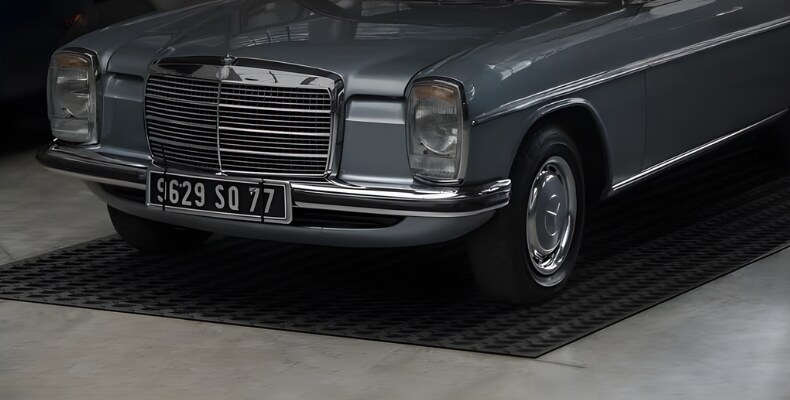
A garage is often the quiet edge of a home, a place where weight settles and time leaves its mark. Tires press into concrete, tools fall and rise again, water traces its path after rain. It is a working space, but it is also a living one. The floor holds every story. Choosing what covers that floor is not a small decision. It shapes how the space feels, how it functions, and how long it lasts. Rubber flooring has moved from gyms and industrial rooms into garages, bringing with it a promise of strength and ease. But is it truly the best choice, or simply a convenient one dressed in practical appeal?
The Everyday Strength of Rubber Flooring
Rubber flooring carries a kind of quiet resilience that becomes clear over time. It does not demand attention, but it performs in ways that matter when the days get busy. A garage floor sees more than just parked cars. It holds tools, storage bins, bikes, and sometimes the weight of long hours spent fixing or building something. Concrete alone can feel cold and unforgiving. It cracks, stains, and absorbs what spills on it. Rubber creates a layer between the surface and the strain, softening the impact of daily use.
A rubber flooring roll is especially practical because it spreads protection across a wide area without the interruption of seams. This matters more than it seems at first. Fewer gaps mean fewer places for dirt, water, and oil to settle into. The surface becomes easier to maintain, easier to trust. A roll format also allows for flexibility. It can be cut and shaped to fit corners, edges, and unusual layouts without the need for complex tools or professional help.
The value of thickness becomes clear when weight enters the picture. A rubber roll with a thickness of about 0.12 inches offers a balance between durability and comfort. It feels firm underfoot but still gives enough to reduce strain when standing for long periods. This makes a difference for those who use their garage as more than just storage. It becomes a workspace where comfort matters as much as strength.
Products like the Fleximounts GFM04 Diamond-Plate Rubber Flooring Roll Garage Flooring Roll Garage Floor Car Mat reflect this balance well. Its SBR rubber build is designed to hold steady under pressure, and its diamond-pattern surface adds grip that feels secure even when the floor is damp. It stays in place under a parked vehicle, which speaks to its reliability. Over time, this kind of stability shapes how the garage is used. It invites movement, reduces hesitation, and makes the space feel more usable day after day.
The Trade-Offs You Should Understand
Every material carries its own set of compromises, and rubber flooring is no exception. What makes it strong in one setting may create small challenges in another. Understanding these trade-offs is what turns a good decision into a smart one.
Rubber flooring can carry a distinct smell when first installed. It is not overwhelming for most people, but it is noticeable, especially in enclosed spaces. This scent fades with time, but it asks for patience in the beginning. Ventilation helps, as does giving the material a few days to settle into its environment. For those sensitive to odors, this is worth considering before installation.
Heat is another factor that often goes unnoticed until it becomes relevant. In warmer climates or during hot months, rubber can warm up more than expected. It does not become unusable, but it can feel softer and slightly more flexible under heavy weight. This does not usually affect performance, but it can change how the surface feels underfoot or under a vehicle. Choosing a high-quality rubber roll helps reduce this effect, as better materials tend to hold their shape more consistently.
Cost is where many decisions pause. Rubber flooring is not the cheapest option available. Epoxy coatings and basic mats may come at a lower upfront price. However, cost is not only about the initial purchase. It is also about how often the floor needs repair or replacement. Rubber flooring tends to last longer and requires less maintenance over time. It resists stains, absorbs impact, and protects the underlying concrete. When viewed across years instead of months, the investment begins to feel more balanced.
There is also the question of appearance. Rubber flooring offers a clean and functional look, but it may not deliver the polished finish that some homeowners want. It leans more toward practical design than decorative appeal. For many, this is not a drawback but a preference. A garage is, after all, a place of work. Still, it is worth thinking about how the space should feel, not just how it should perform.
Costs, Versatility, and Long-Term Value
Understanding the cost of rubber flooring means looking beyond the price tag and into how it behaves across different uses. A rubber flooring roll is not limited to one purpose. It moves easily between environments, from garages to small home gyms, from storage areas to workspaces. This versatility adds a kind of hidden value. It becomes a material that adapts rather than one that needs replacing when needs change.
Installation is another place where rubber flooring proves its worth. Unlike more complex flooring systems, a roll can be laid down with minimal preparation. It can be trimmed to fit the exact dimensions of a space, which reduces waste and simplifies the process. This makes it accessible even for those who prefer to handle projects on their own. Time becomes a cost factor here as well, and saving hours of labor adds to the overall value.
Maintenance tells a similar story. A rubber floor does not ask for special treatments or constant care. Dirt can be swept away, spills can be wiped clean, and even heavy stains rarely leave a lasting mark. The waterproof and leak-proof nature of a diamond-pattern backing helps keep moisture from seeping through. This protects the concrete beneath and keeps the surface looking consistent over time. In a space where spills are common, this kind of reliability matters more than it might seem at first.
The Fleximounts GFM04 Diamond-Plate Rubber Flooring Roll Garage Flooring Roll Garage Floor Car Mat brings these qualities together in a way that feels practical and thoughtful. Its ability to handle water, resist wear, and maintain grip makes it suitable for more than just a single use. It fits into different scenes with ease, whether the garage is used for parking, storage, or light exercise. It can be cleaned and reused without losing its shape or function, which adds to its long-term value.
In the end, the question of whether rubber flooring is the best choice does not have a single answer. It depends on how the space is used, how much weight it carries, and how much time is spent within it. But what rubber flooring offers is a steady kind of reliability. It protects, it adapts, and it lasts. In a place that often goes unnoticed, that kind of consistency can quietly change how the space is experienced every day.


