


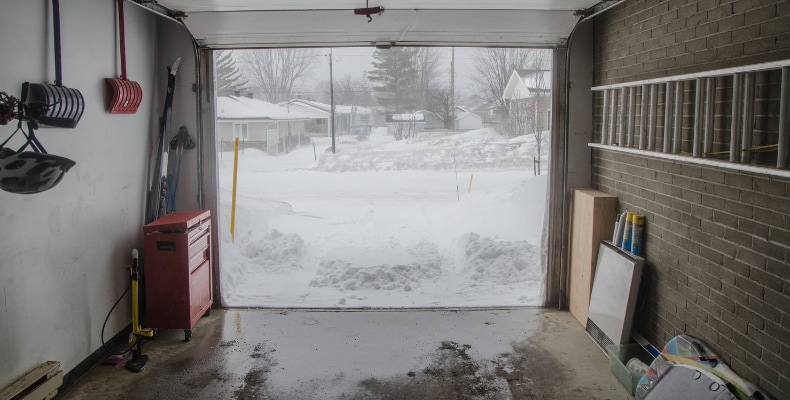
Winter is charming from a distance. Snow makes neighborhoods quieter, streets brighter, and mornings feel almost cinematic. But once that snow melts and sneaks into your garage, the romance ends fast. Snowmelt is not gentle. It drips, spreads, and lingers. It carries salt, sand, and grit that quietly eats away at concrete, metal, and anything unlucky enough to sit in its path. You go to bed proud of a clean garage and wake up to damp floors, white stains, and a smell that suggests trouble is already underway.
Garages are sensitive spaces. They store cars, tools, sports gear, paint cans, and sometimes the things we swear we will organize one day. Moisture does not care about your plans. Salt and water combine to create crystals that burrow into concrete and expand it from the inside. Small cracks widen. Rust blooms on metal shelves. The floor becomes slick, which turns a simple walk into a safety hazard. Snow melt is not dramatic, but it is persistent. The good news is that this winter problem has smart, affordable solutions that work when used early and consistently.
Ignoring Snowmelt Is a Choice and a Costly One
Snowmelt damage rarely announces itself. It starts quietly, like a slow leak you pretend is not there. Salt from roads sticks to tires and shoes, then dissolves into water on your garage floor. That salty water dries slowly, leaving behind chalky stains and weakened concrete. Over time, the surface begins to flake and swell. If there are cracks, ice seeps in and expands them, turning hairline flaws into real structural problems.
Humidity adds another layer of trouble. A damp garage traps moisture in the air, which invites mold and mildew. Cardboard boxes soften and sag. Tools develop surface rust. Even newer cars are not immune, as corrosion loves warm, wet spaces. The danger is not just damage to things. Wet floors are slippery, especially when temperatures hover near freezing. One wrong step can lead to injuries that last longer than winter itself.
Treating snowmelt as harmless is like assuming a slow drip will never flood a room. The longer you wait, the more expensive the fix becomes. Awareness is the first solution. Once you understand how quickly snow-melt causes damage, prevention stops feeling optional and starts feeling practical.
A Mop Sounds Boring Until It Saves Your Floor
The simplest solutions often feel too ordinary to trust, but removing snowmelt quickly is one of the most effective habits you can build. A mop or squeegee turns chaos into control. As soon as the car is parked and the snow starts dripping, open the garage door and push the water back outside. It takes minutes and saves years of wear.
This daily habit prevents salt from settling into the concrete. It reduces humidity before it spreads through the space. It also keeps the floor safer to walk on, which matters more than most people admit. Snowmelt that sits overnight has time to freeze, refreeze, and leave behind damage you will not notice until spring.
Think of this routine as brushing your teeth for your garage. It is not glamorous, but it prevents bigger problems. The key is consistency. Waiting until the puddles dry is too late. Water that dries slowly leaves residue behind. Water that is removed immediately does not get the chance. Sometimes boring is exactly what works.
Bare Concrete Is Overrated and Garage Mats Prove It
Concrete floors look tough, but winter exposes their weakness. Garage mats act like shields, catching water, salt, oil, and grit before they reach the surface beneath. High quality mats made from PVC, rubber, or vinyl absorb moisture and prevent it from spreading. Non slip backing keeps everything in place, even when the floor is wet.
Cleaning mats is refreshingly simple. A quick sweep or vacuum handles most debris. After winter, a mix of dish soap, hot water, and vinegar removes any leftover salt. Once clean, the mats can be stored away or left in place year round.
The Fleximounts GFM02 Garage Floor Mat is a standout option. Made from 100 percent polyester non woven fabric, it absorbs oil and water with ease. Its waterproof rubber barrier protects the floor underneath, while the slip resistant backing keeps it firmly in place without tools. It is durable, trim to fit, and versatile enough for garages, gyms, or pet areas. It adds comfort without sacrificing protection, which is rare in a product that works this hard.
Before installing any mat, clean the garage thoroughly. Dirt trapped underneath can still cause damage. A clean floor is prevention in its purest form.
The Floor Should Not Be Your Storage Unit
Keeping items off the floor is an overlooked strategy that makes winter maintenance easier. Boxes, tools, and containers sitting directly on concrete absorb moisture like sponges. Once damp, they stay that way. Elevating storage creates airflow and reduces contact with snowmelt entirely.
Overhead racks are especially effective. The Fleximounts GR48-H Classic 4 by 8 Overhead Garage Storage Rack offers a sturdy solution with a weight capacity of up to 600 pounds. Its cold rolled steel frame and integrated wire grid are tested for strength and stability. Height adjustment from 22 to 40 inches allows you to customize clearance, while dual joist mounting adds security.
When the floor is clear, cleaning becomes faster and safer. Snowmelt has fewer places to hide. Air circulates better, which reduces humidity. You also gain peace of mind knowing your belongings are protected from slow water damage that no one notices until it is too late.
Water Always Finds a Way Unless You Block It
Snowmelt often enters through places you do not think about, especially garage doors and drains. Clogged drains trap water that refreezes and pushes moisture back inside. Clearing them with hot water and a mix of baking soda or vinegar keeps runoff moving where it belongs.
A garage door threshold seal adds another layer of defense. Installed beneath the door, it blocks water, pests, and cold air. It is a small upgrade with a big impact, especially during heavy snowfall.
Even with barriers, moisture can still build up. A dehumidifier helps keep air dry and prevents mold. Space heaters or mid height overhead lighting can speed up evaporation, though they cost more upfront. Compared to replacing rusted tools or repairing concrete, they often save money in the long run.
Snowmelt is unavoidable, but damage is not. With the right habits and smart tools, your garage can survive winter without losing its strength or safety. Winter may come every year, but rot does not have to.


