


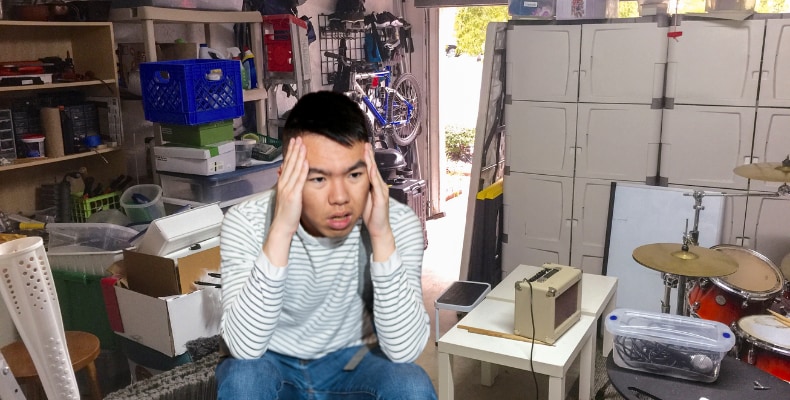
The garage is supposed to be practical. It is designed to shelter cars, store tools, and quietly support the rest of the house without asking for much attention. Somewhere along the way, mine stopped doing any of that well. It became a hiding place for unfinished plans and postponed decisions. Boxes stacked up like reminders of things I meant to sort through later. Old clothes waited patiently for a second life that never came. Gadgets I barely remembered buying sat under a thin layer of dust, silently questioning my choices.
Each time I opened the garage door, I felt a familiar mix of guilt and avoidance. I told myself I would deal with it next weekend, then the weekend after that. The mess became so normal that I stopped seeing it clearly, even though it weighed on me more than I realized. What surprised me most was not how bad it had gotten, but how much it affected my mood.
I never imagined this neglected space could become my favorite room in the house. The shift from chaos to calm did not happen overnight, but it slowly changed how I view my surroundings. It taught me that space shapes habits, and that thoughtful design, even in a garage, has the power to bring clarity, ease, and unexpected joy.
The Mess Was Not a Storage Problem, It Was a Lifestyle Confession
The truth about clutter is that it rarely starts with laziness. It starts with good intentions. You keep things because they might be useful. You stack boxes because you are busy. You close the garage door because you would rather not look at the evidence. Over time, the mess becomes normal, and normal becomes invisible. My garage was not just full, it was confused. It held clothing I no longer wore, tools I did not know how to use, and random items that had no clear home. Dust settled into every corner, making the space feel heavier than it was. Research on clutter shows that crowded environments increase stress and make decision making harder. Standing in that garage felt like standing inside my own mental overload.
The turning point came when I realized that avoiding the space was costing me more energy than fixing it. I asked a friend to help me for a weekend, not because I needed muscle, but because accountability works. We pulled everything out until the garage was empty and echoing. That moment mattered more than any storage purchase. An empty room forces clarity. We sorted everything into simple categories based on honesty, not sentiment. What stayed earned its place. What was left gave me relief. By the end of the weekend, I was tired but lighter. The garage was no longer a confession of bad habits. It was a blank page.
Buying One Smart Piece of Furniture Can Change How You Use a Room
Once the clutter was gone, I had a rare opportunity to design with intention. I did not want the garage to return to being a dumping ground. I wanted it to work hard and look good doing it. I started with the most important element, a proper workstation. Studies on productivity show that clearly defined work zones improve focus and reduce fatigue. That idea guided my choice to invest in Fleximounts workstations and smart storage solutions. A solid workbench does more than hold tools. It sets a tone. It tells you what the room is for.
The Fleximounts WB107 Garage Storage Shelving Frame Workbenches became the anchor of the space. It offered generous workspace, strong construction, and shelving that made tools visible and accessible. Visibility matters. When tools are easy to see, they are easier to put away. I also explored adjustable options like the WB4B Hand Crank Height Adjustable Workbench and the WB101HB Electric Height Adjustable Work Bench. Adjustable height supports better posture and reduces strain, especially during long projects. Ergonomics is not just for offices. It belongs anywhere you spend time working with your hands.
To make the garage feel connected to the rest of the house, I painted the walls a soft neutral shade. Light colors reflect light and make spaces feel larger and cleaner. Then I added personality in small doses. A geometric rug added warmth underfoot. Simple wall art made the room feel intentional instead of temporary. The goal was not to impress anyone. It was to make the space inviting enough that I wanted to be there.
Organization Is Not About Perfection, It Is About Respecting Your Time
A beautiful garage that stays messy is just a well-lit problem. Organization is what keeps the transformation alive. I chose clear plastic bins for seasonal items because transparency saves time. Labels may seem boring, but they reduce friction. Every labeled bin is a future moment of relief. Shelving allowed me to store books and magazines in a way that felt proud instead of hidden. When items are stored with care, you are more likely to maintain order. Behavioral science supports this. Environments that reward good habits make those habits easier to repeat.
Functionality also means comfort. I added a ceiling-mounted rack to reclaim floor space and reduce visual clutter. Small comforts followed. A mini fridge and a coffee maker turned the garage into a place of retreat, not escape. Lighting completed the transformation. Bright LED lights improved visibility and safety, while industrial style pendant lights added character. Task lighting above the workbench supported focus during detailed work. Good lighting reduces eye strain and improves mood, making the space more enjoyable to use.
Budget concerns often stop people before they start, but transformation does not require excess spending. Decluttering is free. Strategic storage is affordable. Lighting upgrades offer one of the highest returns in comfort and usability. The key is intention, not excess.
In the end, my garage stopped being a symbol of unfinished business. It became a space that supports how I live now, not how I lived before. It is organized, functional, and quietly stylish. More importantly, it taught me that spaces shape behavior. When you respect a room, it gives something back. My garage is no longer a place I avoid. It is where I think, build, and breathe a little easier.


